


Mouse Anti-LYN Recombinant Antibody (VS3-CJ478)
CAT#: VS3-CJ478
This product is a mouse antibody that recognizes human LYN.
Gene Expression

Subcellular Location and Protein Expression
Figure 1 IF staining of human cell line U-2 OS
Immunofluorescent staining of human cell line U-2 OS shows localization to plasma membrane & vesicles.
* Image credit: Image credit: Human Protein Atlas v21.proteinatlas.org/images/1231/if_selected.jpg

Normal Tissue
Figure 2 IHC staining of human spleen
High expression. RNA expression: 85.4 nTPM
* Image credit: Image credit: Human Protein Atlas v21.proteinatlas.org/images/1231/4032_B_7_4_val_selected.jpg

Normal Tissue
Figure 3 IHC staining of human cerebral cortex
Low expression. RNA expression: 8.7 nTPM
* Image credit: Image credit: Human Protein Atlas v21.proteinatlas.org/images/1231/4032_B_8_5_val_selected.jpg

Normal Tissue
Figure 4 Colon
Glandular cells
Staining: Low
Intensity: Weak
Quantity:>75%
Location: Cytoplasmic/membranous
* Image credit: Image credit: Human Protein Atlas v21.proteinatlas.org/images/1231/4032_A_9_3.jpg

Normal Tissue
Figure 5 Liver
Cholangiocytes
Staining: Not detected
Intensity: Weak
Quantity: <25%
Location: Cytoplasmic/membranous
* Image credit: Image credit: Human Protein Atlas v21.proteinatlas.org/images/4492/12394_A_7_4.jpg

Normal Tissue
Figure 6 Kidney
Cells in tubules
Staining: Not detected
Intensity: Weak
Quantity: <25%
Location: Cytoplasmic/membranous
* Image credit: Image credit: Human Protein Atlas v21.proteinatlas.org/images/1231/4032_A_9_5.jpg

Normal Tissue
Figure 7 Lymph node
Germinal center cells
Staining: Medium
Intensity: Moderate
Quantity:>75%
Location: Cytoplasmic/membranous
Non-germinal center cells
Staining: Medium
Intensity: Moderate
Quantity:>75%
Location: Cytoplasmic/membranous
* Image credit: Image credit: Human Protein Atlas v21.proteinatlas.org/images/1231/4032_A_8_8.jpg

RNA Expression
Figure 8 RNA cell line category: Cell line enhanced (HEL, HMC-1)
Cell lines ordered by descending RNA expression order.
* Image credit: Image credit: Human Protein Atlas v21.proteinatlas.org/ENSG00000254087-LYN
❮


 ❯
❯
Specifications
- Immunogen
- KLH-conjugated synthetic peptide between 1-210 amino acids from human LYN
- Host Species
- Mouse
- Type
- Mouse IgG1, κ
- Specificity
- Human LYN
- Species Reactivity
- Human
- Applications
- WB
- Conjugate
- Unconjugated
Product Property
- Purification
- Protein G affinity purified
- Purity
- >95% as determined by SDS-PAGE
- Format
- Liquid
- Buffer
- PBS, pH 7.3.
- Preservative
- 0.09% Sodium Azide
- Storage
- Store at 4°C for short term. Aliquot and store at -20°C for long term. Avoid repeated freeze/thaw cycles.
Applications
- Application Notes
- This antibody has been tested for use in Western Blot (1:1000).
Target
- Alternative Names
- JTK8; p53Lyn; p56Lyn
- Gene ID
- 4067
- UniProt ID
- P07948
- Sequence Similarities
- Belongs to the protein kinase superfamily. Tyr protein kinase family. SRC subfamily.
- Cellular Localization
- Cell membrane, Cytoplasm, Golgi apparatus, Membrane, Nucleus
- Post Translation Modifications
- Ubiquitinated by CBL, leading to its degradation. Ubiquitination is SH3-dependent.
Autophosphorylated (PubMed:7935444, PubMed:9171348, PubMed:9341198, PubMed:18056483, PubMed:18070987).
Phosphorylated on tyrosine residues in response to KIT signaling (PubMed:9341198).
Phosphorylation at Tyr-397 is required for optimal activity (PubMed:16920712).
Phosphorylation at Tyr-508 inhibits kinase activity (PubMed:9171348).
Phosphorylated at Tyr-508 by CSK (PubMed:7935444).
Dephosphorylated by PTPRC/CD45 (By similarity).
Becomes rapidly phosphorylated upon activation of the B-cell receptor and the immunoglobulin receptor FCGR1A (PubMed:8064233).
Phosphorylated in response to ITGB1 in B-cells (PubMed:9020138).
- Protein Refseq
- NP_001104567.1; NP_002341.1
- Function
- Non-receptor tyrosine-protein kinase that transmits signals from cell surface receptors and plays an important role in the regulation of innate and adaptive immune responses, hematopoiesis, responses to growth factors and cytokines, integrin signaling, but also responses to DNA damage and genotoxic agents. Functions primarily as negative regulator, but can also function as activator, depending on the context. Required for the initiation of the B-cell response, but also for its down- regulation and termination. Plays an important role in the regulation of B-cell differentiation, proliferation, survival and apoptosis, and is important for immune self-tolerance. Acts downstream of several immune receptors, including the B-cell receptor, CD79A, CD79B, CD5, CD19, CD22, FCER1, FCGR2, FCGR1A, TLR2 and TLR4. Plays a role in the inflammatory response to bacterial lipopolysaccharide. Mediates the responses to cytokines and growth factors in hematopoietic progenitors, platelets, erythrocytes, and in mature myeloid cells, such as dendritic cells, neutrophils and eosinophils. Acts downstream of EPOR, KIT, MPL, the chemokine receptor CXCR4, as well as the receptors for IL3, IL5 and CSF2. Plays an important role in integrin signaling. Regulates cell proliferation, survival, differentiation, migration, adhesion, degranulation, and cytokine release. Down- regulates signaling pathways by phosphorylation of immunoreceptor tyrosine-based inhibitory motifs (ITIM), that then serve as binding sites for phosphatases, such as PTPN6/SHP-1, PTPN11/SHP-2 and INPP5D/SHIP-1, that modulate signaling by dephosphorylation of kinases and their substrates. Phosphorylates LIME1 in response to CD22 activation. Phosphorylates BTK, CBL, CD5, CD19, CD72, CD79A, CD79B, CSF2RB, DOK1, HCLS1, LILRB3/PIR-B, MS4A2/FCER1B, PTK2B/PYK2, SYK and TEC. Promotes phosphorylation of SIRPA, PTPN6/SHP-1, PTPN11/SHP-2 and INPP5D/SHIP-1. Mediates phosphorylation of the BCR-ABL fusion protein. Required for rapid phosphorylation of FER in response to FCER1 activation. Mediates KIT phosphorylation. Acts as an effector of EPOR (erythropoietin receptor) in controlling KIT expression and may play a role in erythroid differentiation during the switch between proliferation and maturation. Depending on the context, activates or inhibits several signaling cascades. Regulates phosphatidylinositol 3- kinase activity and AKT1 activation. Regulates activation of the MAP kinase signaling cascade, including activation of MAP2K1/MEK1, MAPK1/ERK2, MAPK3/ERK1, MAPK8/JNK1 and MAPK9/JNK2. Mediates activation of STAT5A and/or STAT5B. Phosphorylates LPXN on 'Tyr- 72'. Kinase activity facilitates TLR4-TLR6 heterodimerization and signal initiation.Phosphorylates SCIMP on 'Tyr-107'; this enhances binding of SCIMP to TLR4, promoting the phosphorylation of TLR4, and a selective cytokine response to lipopolysaccharide in macrophages (By similarity).
Phosphorylates CLNK (By similarity).
Phosphorylates BCAR1/CAS and NEDD9/HEF1 (PubMed:9020138).
REVIEWS AND Q&AS
CITATIONS
RESOURCES
DOWNLOADS
RELATED PRODUCTS
Inquiry
Navs
Customer Review

There are currently no Customer reviews or questions for VS3-CJ478. Click the button above to contact us or submit your feedback about this product.
Submit Your Publication
Published with our product? Submit your paper and receive a 10% discount on your next order! Share your research to earn exclusive rewards.
Related Signaling Pathways
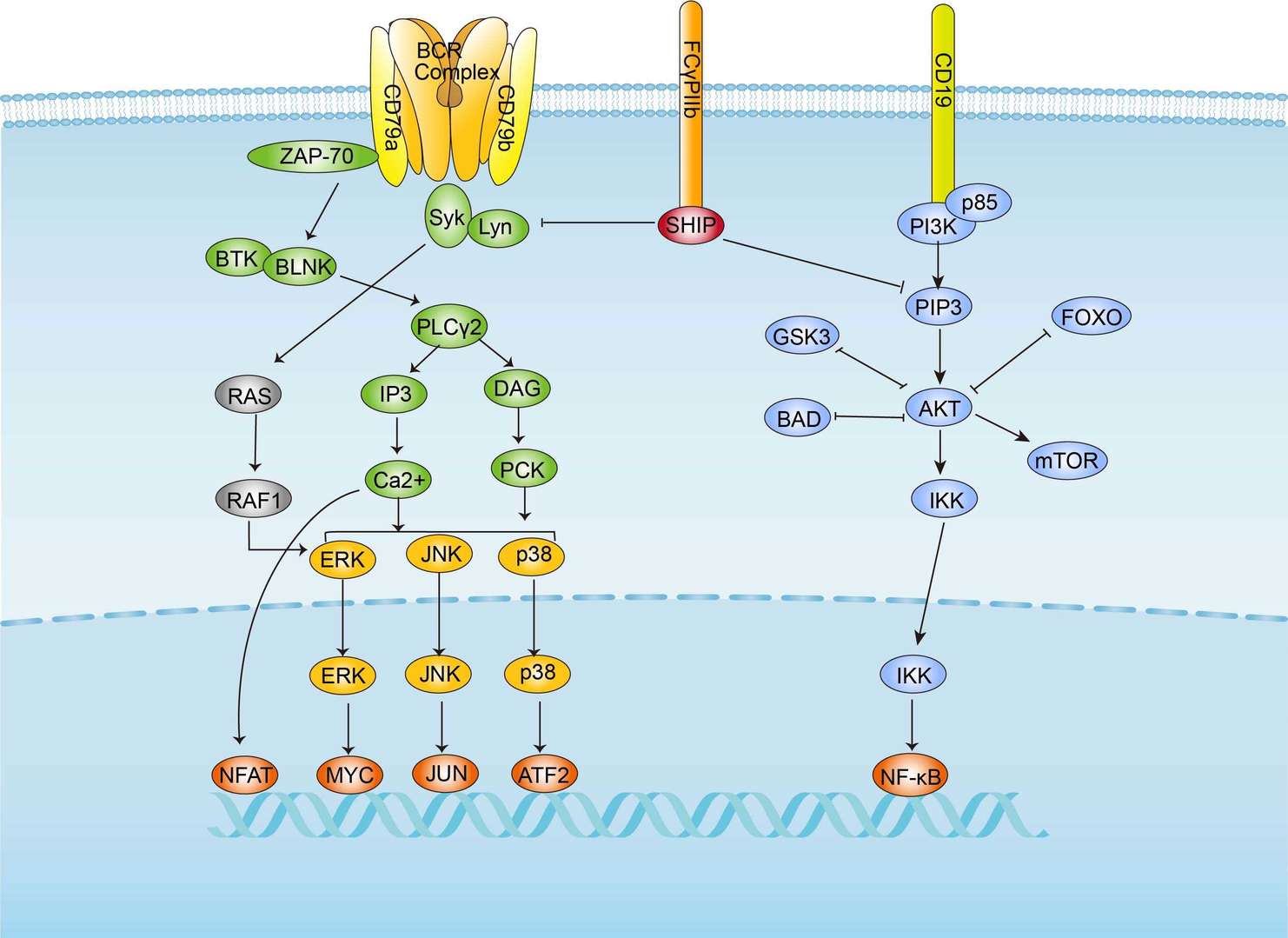 BCR Signaling Pathway
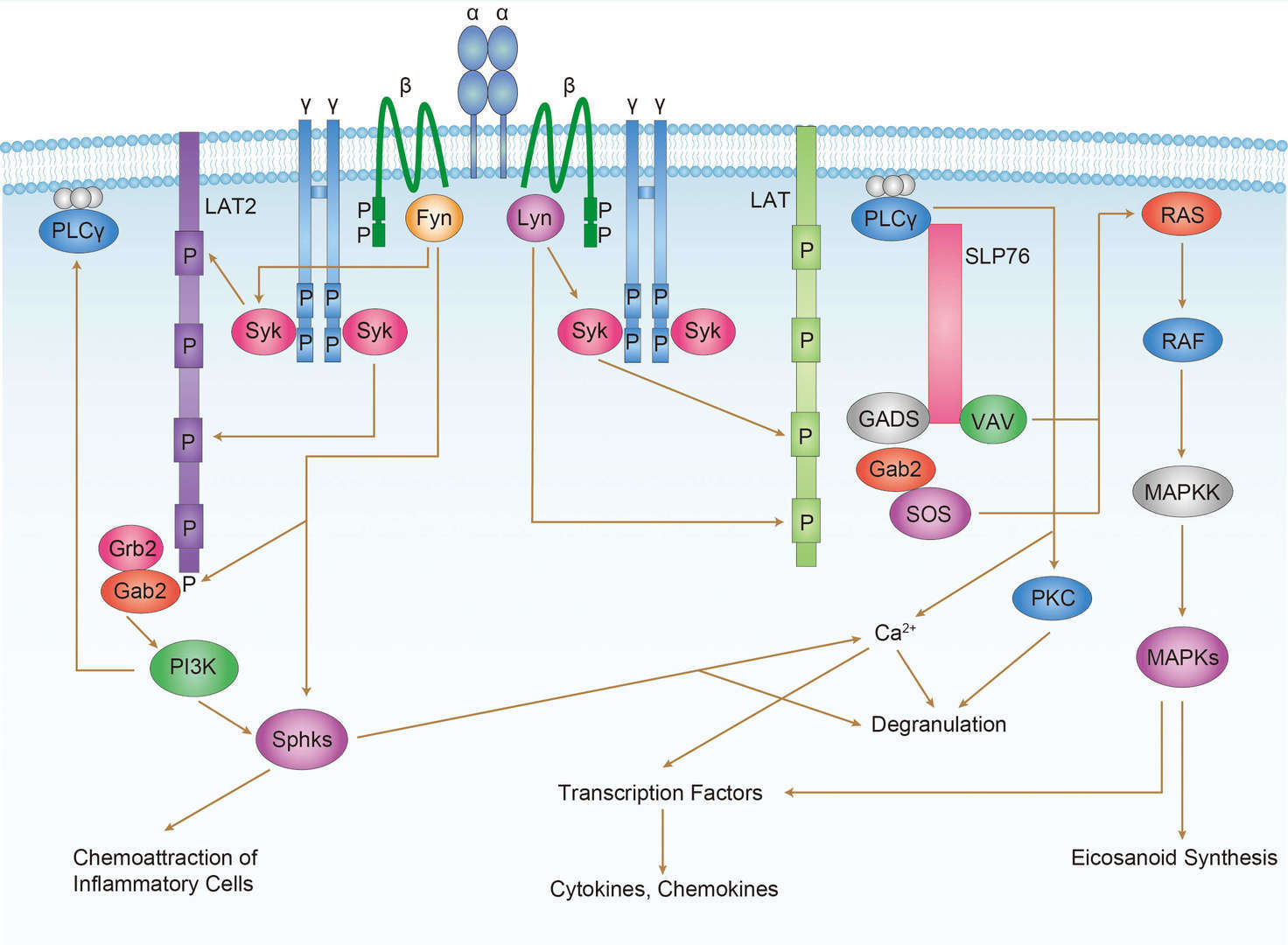 FcεR1 Signaling Pathway
Downloadable Resources
Download resources about recombinant antibody development and antibody engineering to boost your research.
Product Notes
This is a product of Creative Biolabs' Hi-Affi™ recombinant antibody portfolio, which has several benefits including:
• Increased sensitivity
• Confirmed specificity
• High repeatability
• Excellent batch-to-batch consistency
• Sustainable supply
• Animal-free production
See more details about Hi-Affi™ recombinant antibody benefits.
Datasheet
MSDS
COA
Certificate of Analysis LookupTo download a Certificate of Analysis, please enter a lot number in the search box below. Note: Certificate of Analysis not available for kit components.
Lot Number:
Secondary Antibody
- CAT
- Product Name
Recommended Dilution Buffer
- CAT
- Product Name
See other products for "LYN"
Select a product category from the dropdown menu below to view related products.
| CAT | Product Name | Application | Type |
|---|---|---|---|
| MOB-2781z | Mouse Anti-LYN Recombinant Antibody (clone 33H4) | WB, ICC, IF, IP | Mouse IgG1 |
| CAT | Product Name | Application | Type |
|---|---|---|---|
| MOB-1024MZ | Recombinant Mouse Anti-Human LYN Antibody (clone 3I9E8) | ELISA | Mouse antibody |
| CAT | Product Name | Application | Type |
|---|---|---|---|
| MOR-2108 | Hi-Affi™ Recombinant Rabbit Anti-LYN Monoclonal Antibody (DS2108AB) | IP, WB | IgG |
| CAT | Product Name | Application | Type |
|---|---|---|---|
| ZG-030R | Mouse Anti-Lyn Recombinant Antibody (ZG-030R) | WB, ELISA | Mouse IgG |
| CAT | Product Name | Application | Type |
|---|---|---|---|
| VS3-QX704 | Mouse Anti-LYN Recombinant Antibody (clone 1C8-H3-G6) | WB | Mouse IgG1 |
| CAT | Product Name | Application | Type |
|---|---|---|---|
| VS3-QX705 | Mouse Anti-LYN Recombinant Antibody (clone 1174CT22.3.1.1) | WB | Mouse IgG1, κ |
| CAT | Product Name | Application | Type |
|---|---|---|---|
| VS-1024-XY312 | Rabbit Anti-NHP LYN Recombinant Antibody (clone R.677.10) | WB, IHC, IF, IP | Rabbit IgG |
| CAT | Product Name | Application | Type |
|---|---|---|---|
| VS-0325-XY1279 | Anti-LYN Immunohistochemistry Kit | IHC |
| CAT | Product Name | Application | Type |
|---|---|---|---|
| VS-0126-XL221 | Rabbit Anti-Lyn (phospho Y396) Monoclonal Antibody | Phospho Antibodies for Cell Signaling Research |
Specific Inquiry
 Add to compare

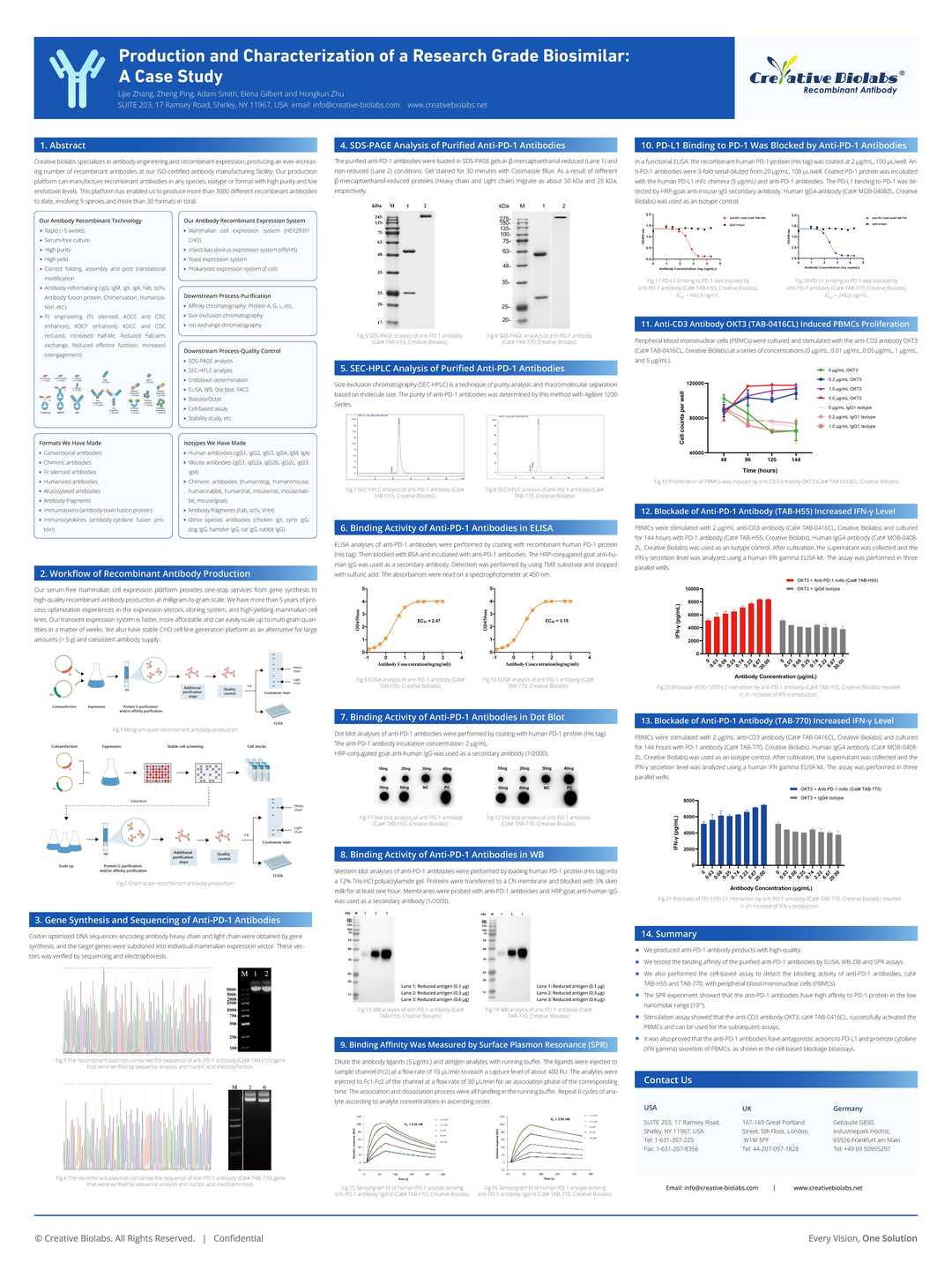
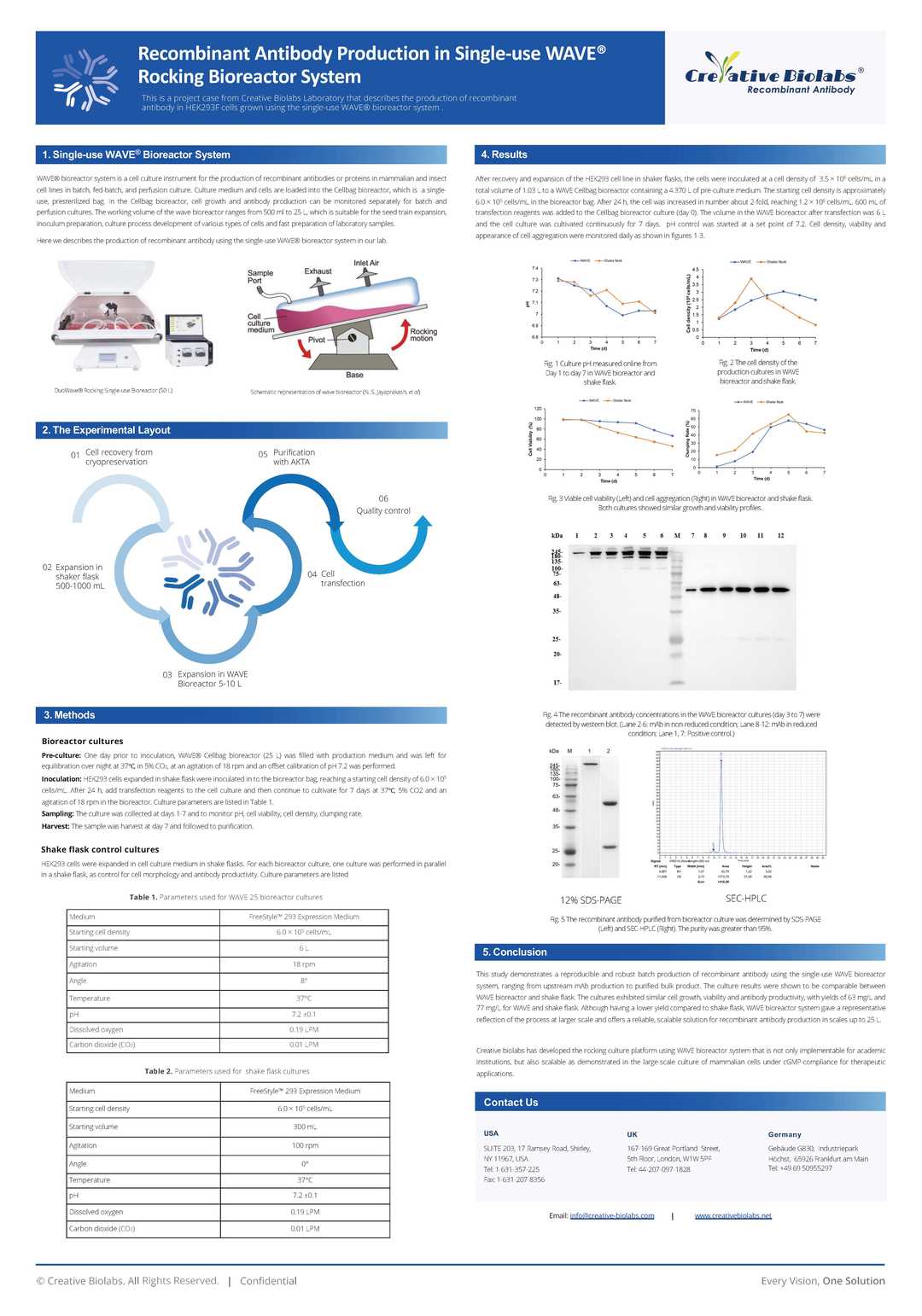
See Our Custom Production in Action
Popular Products

Application: ELISA, IP, FC, FuncS, Neut, IF, ICC

Application: WB, ELISA, IP, FC, FuncS, Neut, IF

Application: FC, IP, ELISA, Neut, FuncS, IF, IHC
-2.png)
Application: FuncS, IF, Neut, ELISA, FC, IP, ICC

Application: IF, IP, Neut, FuncS, ELISA, FC, WB


Application: ELISA, FC, IP, FuncS, IF, Neut, ICC

Application: IP, IF, FuncS, FC, Neut, ELISA, ICC

Application: Neut, ELISA, IF, IP, FuncS, FC, ICC
-2-1.png)
Application: IP, IF, FuncS, FC, Neut, ELISA, IHC


Application: ELISA, IP, WB, IHC, IF, FuncS


Application: ELISA, SPR, Inhib, FuncS
For research use only. Not intended for any clinical use. No products from Creative Biolabs may be resold, modified for resale or used to manufacture commercial products without prior written approval from Creative Biolabs.
Send Inquiry
This site is protected by reCAPTCHA and the Google Privacy Policy and Terms of Service apply.
