


Anti-HTR3A Recombinant Antibody Products
 Loading...
Anti-HTR3A Products
+ Filter
Loading...-
- Derivation: Mouse
- Species Reactivity: Human
- Type: Mouse IgG2a
- Application: WB, ELISA, FC, ICC, IF, IHC
 Compare
- Mouse Anti-HTR3A Recombinant Antibody (clone 3B11C10) (VS7-0425-WR101)
-
- Species Reactivity: Human
- Type: Mouse IgG2a
- Application: IHC, ICC, FC
Compare
- Anti-HTR3A Immunohistochemistry Kit (VS-0525-XY3354)
-
- Species Reactivity: Human
- Target: HTR3A
- Application: IHC
Compare
- Mouse Anti-HTR3A Recombinant Antibody (clone 4D5E7) (VS7-0425-WR102)
-
- Species Reactivity: Human
- Type: Mouse IgG2a
- Application: IHC, ICC, FC
Compare
View More Products
Can't find the products you're looking for? Try to filter in the left sidebar.Filter By Tag
More Infomation
Our customer service representatives are available 24 hours a day, from Monday to Sunday. Contact Us
For Research Use Only. Not For Clinical Use.
Creative Biolabs is committed to providing high-quality recombinant antibodies against HTR3A, designed to support advanced research in neuroscience and gastrointestinal studies. Leveraging our cutting-edge antibody development technologies, we offer thoroughly validated products that deliver outstanding specificity and consistent performance across batches, meeting the exacting standards required for ion channel research. Our extensive portfolio balances rigorous scientific quality with affordable solutions, catering to a wide range of experimental needs from fundamental research to drug discovery. In addition to premium antibodies, we offer personalized technical support and optimization guidance throughout your project. Collaborate with us to gain access to expertly developed reagents and dedicated expertise that will greatly advance your serotonin receptor research efforts.
HTR3A: A Therapeutic Target in Neurological and Gastrointestinal Disorders
HTR3A, a key ligand-gated ion channel involved in serotonin signaling, plays a significant role in various disease processes, particularly within neurological and gastrointestinal systems. Its dysfunction is closely linked to chemotherapy-induced nausea and vomiting, where disruption of signaling pathways in brainstem regions responsible for emetic reflexes leads to severe symptoms; selective antagonists targeting this receptor have proven effective in mitigating these effects. In gastrointestinal disorders such as irritable bowel syndrome, especially diarrhea-predominant forms, abnormal receptor activity contributes to altered gut motility and heightened visceral sensitivity, exacerbating discomfort and bowel irregularities. Furthermore, neuropsychiatric conditions including schizophrenia show associations with genetic variations that may impact sensory filtering and cognitive functions through modulation of cortical interneurons. Migraine pathophysiology is also connected, as receptor expression in trigeminal ganglia facilitates neurogenic inflammation and nociceptive transmission, amplifying headache episodes. Emotional regulation and anxiety disorders reflect altered receptor expression in limbic brain areas, potentially influencing fear processing and stress responses. Substance dependence and addiction behaviors reveal interactions with substances like alcohol and nicotine, implicating this receptor in reward circuitry modulation. Additionally, autoimmune dysfunctions affecting gastrointestinal motility may involve autoantibodies targeting neural components, thereby disrupting normal enteric nervous system operation. Therapeutic approaches remain challenging due to the receptor’s wide distribution across central and peripheral tissues; however, selective modulators aiming to minimize central nervous system side effects while addressing peripheral symptoms show promise. Pharmacogenetic research highlights population-specific responses to medications targeting this channel, underscoring the importance of personalized treatment strategies for related neurological and digestive diseases.
Alternative Names
Complement HTR3A; 5-Hydroxytryptamine Receptor 3; 5HT3R; 5HT3 Serotonin Receptor; 5-HT3-A; HTR3; Serotonin Receptor 3A; 5-HT3R; 5-HT3A; 5-Hydroxytryptamine Receptor 3A; 5-Hydroxytryptamine (Serotonin) Receptor 3A; 5-HT-3; Serotonin-Gated Ion Channel Receptor
Background
The product of this gene belongs to the ligand-gated ion channel receptor superfamily. This gene encodes subunit A of the type 3 receptor for 5-hydroxytryptamine (serotonin), a biogenic hormone that functions as a neurotransmitter, a hormone, and a mitogen. This receptor causes fast, depolarizing responses in neurons after activation. It appears that the heteromeric combination of A and B subunits is necessary to provide the full functional features of this receptor, since either subunit alone results in receptors with very low conductance and response amplitude. Alternatively spliced transcript variants encoding different isoforms have been identified.
Protein class
FDA approved drug targets, Transporters
Predicted location
Membrane
Single cell type specificity
Group enriched (Exocrine glandular cells, Pancreatic endocrine cells, Ductal cells)
Immune cell specificity
Group enriched (naive B-cell, plasmacytoid DC, memory B-cell)
Cell line specificity
Cell line enhanced (CAPAN-2, Daudi, NTERA-2, SCLC-21H)
Interaction
Forms pentahomomeric complex as well as pentaheteromeric complex with HTR3B or HTR3C or HTR3D or HTR3E; homomeric complex is functional but exhibits low conductance with modified voltage dependence, and decreased agonist and antagonist affinity. Interacts with RIC3.
Molecular function
Ion channel, Ligand-gated ion channel, Receptor
More Types Infomation
Anti-HTR3A rAb Products
Designed specifically for investigating HTR3A in both neurological and gastrointestinal contexts, these antibodies are rigorously tested to ensure accurate and specific target recognition. With cost-effective pricing and responsive technical support, they offer researchers dependable tools that combine quality with accessibility. This balanced approach makes them well-suited for a wide range of experimental needs, supporting reliable outcomes across diverse research applications.
| Cat. No. | Product Name | Target Species | Host Species | Applications |
| MOB-2699z | Mouse Anti-HTR3A Recombinant Antibody (clone 43A2) | Human | Mouse | WB; ELISA; FC; ICC; IF; IHC |
| NABG-089 | Recombinant Anti-Mouse Htr3a VHH Single Domain Antibody | Mouse | Llama | FC; CA; IP; FuncS |
| VS7-0425-WR101 | Mouse Anti-HTR3A Recombinant Antibody (clone 3B11C10) | Human | Mouse | IHC; ICC; FC |
| VS7-0425-WR102 | Mouse Anti-HTR3A Recombinant Antibody (clone 4D5E7) | Human | Mouse | IHC; ICC; FC |
Customer Reviews

Excellent
El**nMouse Anti-HTR3A Recombinant Antibody (clone 43A2) (CAT#: MOB-2699z)
The Mouse Anti-HTR3A works well in ELISA with recombinant protein, showing good linear detection range. We observed consistent performance in HEK293 lysates overexpressing the target, though background increased slightly in gut tissue homogenates. While reliable for quantitative assays, we haven't validated it for other applications. A practical choice for basic HTR3A detection in lysate-based ELISA.
04/Mar/2024
Excellent
K**roMouse Anti-HTR3A Recombinant Antibody (clone 3B11C10) (CAT#: VS7-0425-WR101)
The Mouse Anti-HTR3A works well for FC in transfected HEK293 cells, showing clean membrane staining. We noticed moderate background in primary immune cells that required additional blocking optimization. While it performs consistently for overexpression systems, detection of endogenous receptors in native tissues may need titration. The antibody is suitable for basic flow cytometry applications when properly validated with controls.
26/Aug/2023
rAb Production
Leveraging our extensive expertise in antibody engineering, we develop recombinant antibodies using optimized production systems that prioritize both quality and efficiency. Each batch undergoes comprehensive validation to guarantee performance, while our streamlined processes enable faster turnaround times without compromising reliability—delivering research-ready reagents tailored to your experimental requirements.
Featured Anti-HTR3A Recombinant Antibody Production Platforms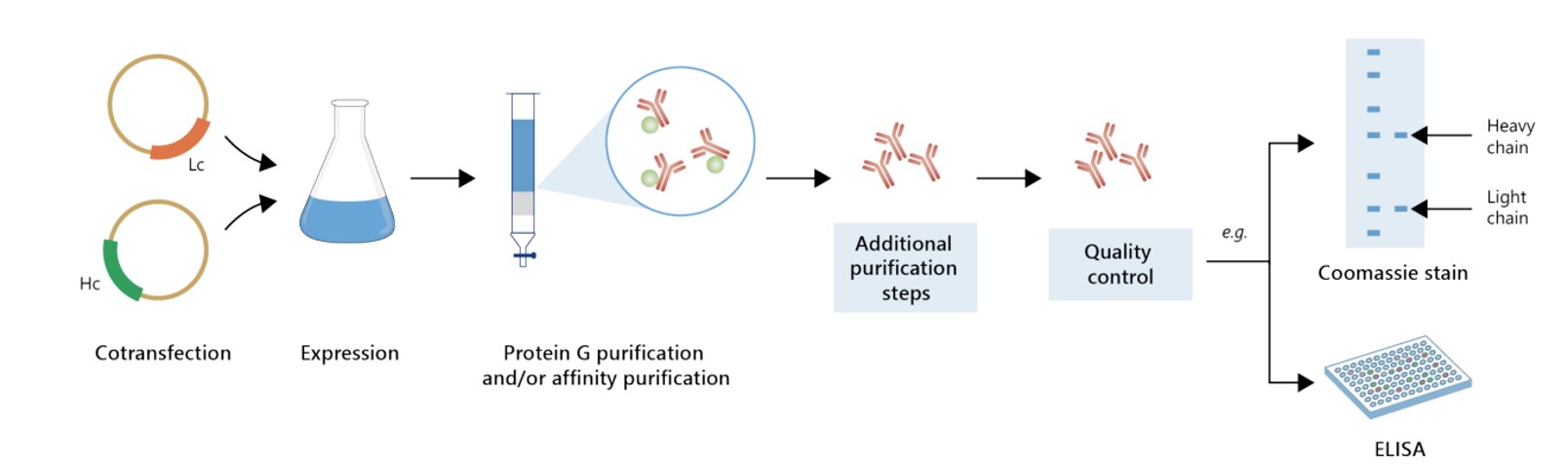
Fig.1 Milligram-scale anti-HTR3A recombinant antibody production.
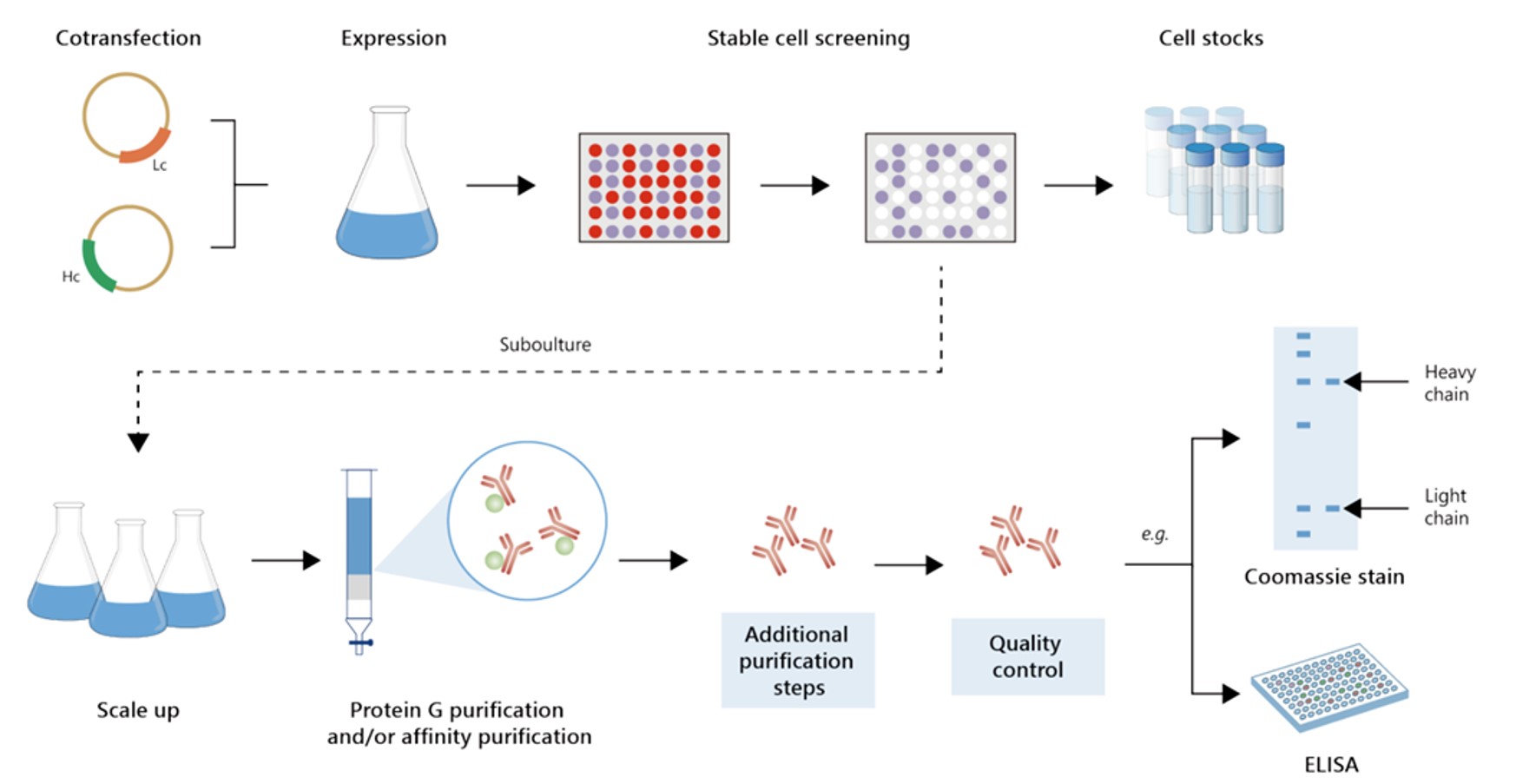 Fig.2 Gram-scale anti-HTR3A recombinant antibody production.
rAb Modalities
Creative Biolabs develops accuracy antibody solutions through advanced protein engineering platforms. We offer a full spectrum of antibody formats, from conventional immunoglobulins to novel engineered variants, all carefully characterized for performance in your specific experimental systems. Our team combines molecular design expertise with robust validation protocols to deliver reliable reagents for challenging research applications.
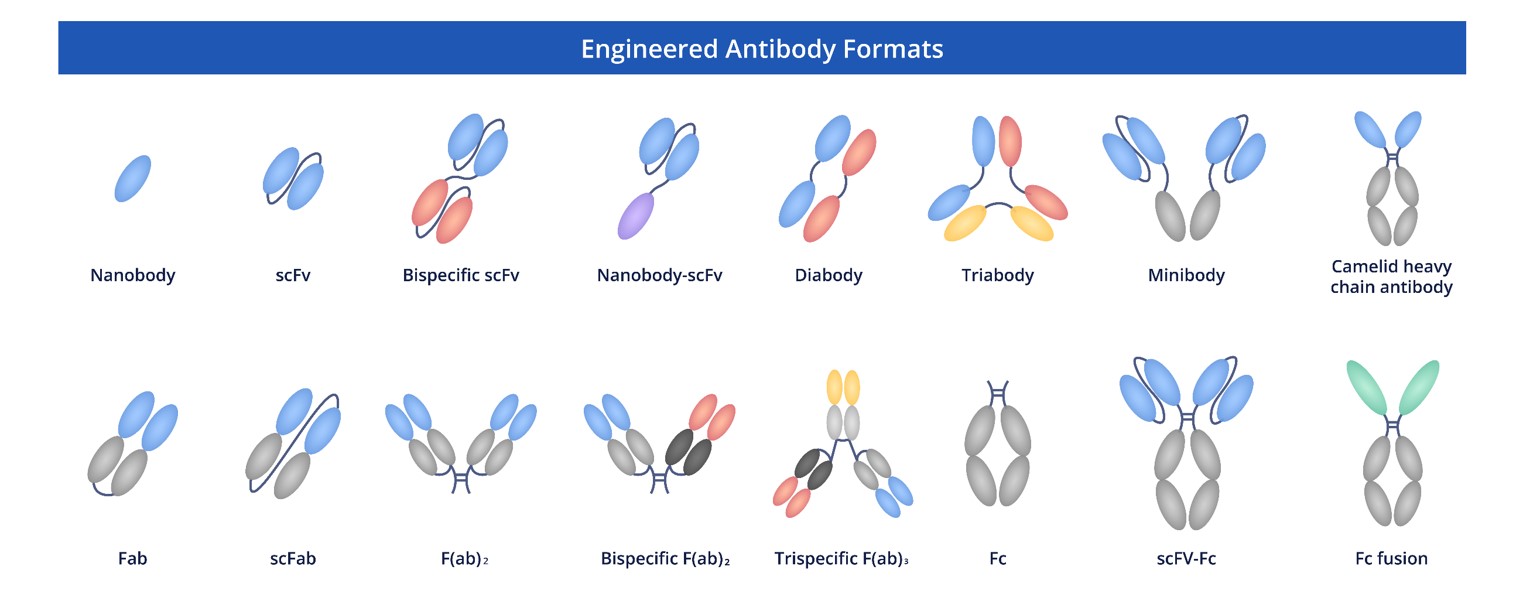 Fig.3 Full Length Anti-HTR3A Recombinant Antibody Production and Modalities.
For technical questions about HTR3A or assistance with experimental optimization, contact us to receive expert guidance from our antibody specialists. We provide customized support for serotonin receptor research, including detailed protocol recommendations and troubleshooting assistance throughout your entire project workflow.