


Anti-PRKAR2B Recombinant Antibody Products
 Loading...
Anti-PRKAR2B Products
+ Filter
Loading...-
- Derivation: Rabbit
- Species Reactivity: Human, Mouse, Rat
- Type: Rabbit IgG
- Application: WB, IP, ICC, IF, IHC, FC
 Compare
- AbPlus™ Anti-PRKAR2B Magnetic Beads (VS-0724-YC869) (VS-0724-YC869)
-
- Target: PRKAR2B
- Target Species: Human
- Application: IP, Protein Purification
Compare
-
- Species Reactivity: Human, Mouse, Rat
- Type: Rabbit IgG
- Application: WB, IP, ICC, IF, IHC-P, FC
Compare
- Anti-Mouse PRKAR2B Immunohistochemistry Kit (VS-0525-XY5685)
-
- Species Reactivity: Mouse, Rat
- Target: PRKAR2B
- Application: IHC
Compare
View More Products
Can't find the products you're looking for? Try to filter in the left sidebar.Filter By Tag
More Infomation
Our customer service representatives are available 24 hours a day, from Monday to Sunday. Contact Us
For Research Use Only. Not For Clinical Use.
Creative Biolabs is your trusted resource for neuroscience and metabolic research, providing you with ultra-specific anti-PRKAR2B recombinant antibodies. A brain and adipose enriched Type 2 regulatory subunit of PKA, PRKAR2B is a crucial mediator of neuronal function and energy homeostasis. Our high quality antibodies are a valuable tool for elucidating the distinct contributions of PKA signaling to cognition and metabolism.
PRKAR2B: A Tissue-Enriched PKA Regulatory Subunit
The protein kinase CAMP-Dependent Type II Regulatory Subunit Beta (PRKAR2B) is a PKA regulatory subunit with a more restricted expression pattern than the alpha isoform (PRKAR2A). It is highly expressed in the brain, particularly in the hippocampus and cortex, as well as in adipose tissue. Like all Type 2 subunits, it binds to A-Kinase Anchoring Proteins (AKAPs) for localizing PKA signaling to specific cellular compartments. Mice with genetic deletion of PRKAR2B have a lean phenotype with resistance to high-fat diet induced obesity, as well as abnormalities in learning and memory, indicating its highly specific, non-redundant contributions to both metabolic regulation and synaptic plasticity.
Alternative Names
PRKAR2; RII-BETA
Background
cAMP is a signaling molecule that has a role in many cellular processes. The primary effectors of cAMP are the cAMP-dependent protein kinases, which transduce the signal by phosphorylating target proteins. The inactive kinase holoenzyme is a tetramer of two regulatory and two catalytic subunits. cAMP binding leads to dissociation of the inactive holoenzyme into a dimer of regulatory subunits each bound to four cAMP and two free monomeric catalytic subunits. Four regulatory subunits and three catalytic subunits have been identified in humans. The protein encoded by this gene is one of the four regulatory subunits. It is phosphorylated by the activated catalytic subunit. This subunit has also been shown to interact with and repress transcriptional activity of the cAMP responsive element binding protein 1 (CREB1) in activated T cells.
Protein class
Metabolic proteins
Predicted location
Intracellular
Single cell type specificity
Cell type enhanced (Granulosa cells, Theca cells, Excitatory neurons, Erythroid cells)
Immune cell specificity
Not detected in immune cells
Cell line specificity
Cell line enhanced (AN3-CA, Daudi, K-562, U-698)
Interaction
The inactive form of the enzyme is composed of two regulatory chains and two catalytic chains. Activation by cAMP produces two active catalytic monomers and a regulatory dimer that binds four cAMP molecules. Interacts with PRKACA and PRKACB (PubMed:33058759). Interacts with the phosphorylated form of PJA2. Forms a complex composed of PRKAR2B, GSK3B and GSKIP through GSKIP interaction; facilitates PKA-induced phosphorylation and regulates GSK3B activity (PubMed:25920809).
More Types Infomation
Anti-PRKAR2B rAb Products
Our anti-PRKAR2B recombinant antibodies are generated to ultra-specific standards. Each product is thoroughly validated to specifically detect the R2-beta isoform without cross-reactivity to the more ubiquitously expressed PRKAR2A. This isoform specificity is key to studying its specific brain and adipose-specific functions. These rAbs are optimized for a wide variety of applications including IHC and Western Blot, providing clear, unambiguous results.
Table 1. Featured anti-PRKAR2B recombinant antibody products at Creative Biolabs.
| Cat. No. | Product Name | Target Species | Host Species | Applications |
| MRO-1234-CN | Recombinant Rabbit Anti-PRKAR2B Monoclonal Antibody (JA11-69) | Human, Mouse, Rat | Rabbit IgG | WB, IP, IF, IHC, FC |
| MOB-0184CT | Recombinant Mouse anti-Cow PRKAR2B Monoclonal antibody (ST40) | Cow | Mouse IgG | ELISA, I-ELISA, ICC, IF |
| VS3-WK234 | Rabbit Anti-PRKAR2B Recombinant Antibody (clone JA11-69) | Human, Mouse, Rat | Rabbit IgG | WB, IP, ICC, IF, IHC, FC |
Customer Reviews

Excellent
B**tyRecombinant Rabbit Anti-PRKAR2B Monoclonal Antibody (JA11-69)
The quality of Creative Biolabs' antibodies is always top-notch. The anti-PRKAR2B antibody has performed perfectly, which is critical for our studies into the tissue specific roles of PKA.
13/Oct/2023
rAb Production
Creative Biolabs is an expert in the specialized fields of neuroscience and metabolism, and we leverage the latest in production technology to help you study these pathways. Our anti-PRKAR2B recombinant antibodies are expressed in carefully optimized systems that are designed to produce rAbs that are functionally relevant by accurately recognizing the native protein, ensuring a highly specific and active research tool.
Featured Anti-PRKAR2B Recombinant Antibody Production Platforms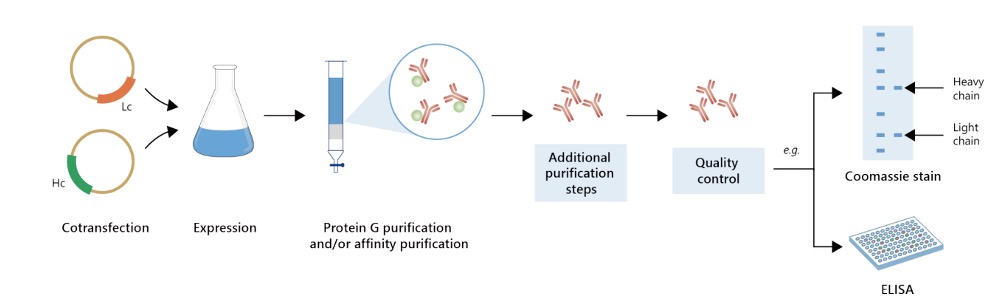
Fig.1 Milligram-scale anti-PRKAR2B recombinant antibody production.
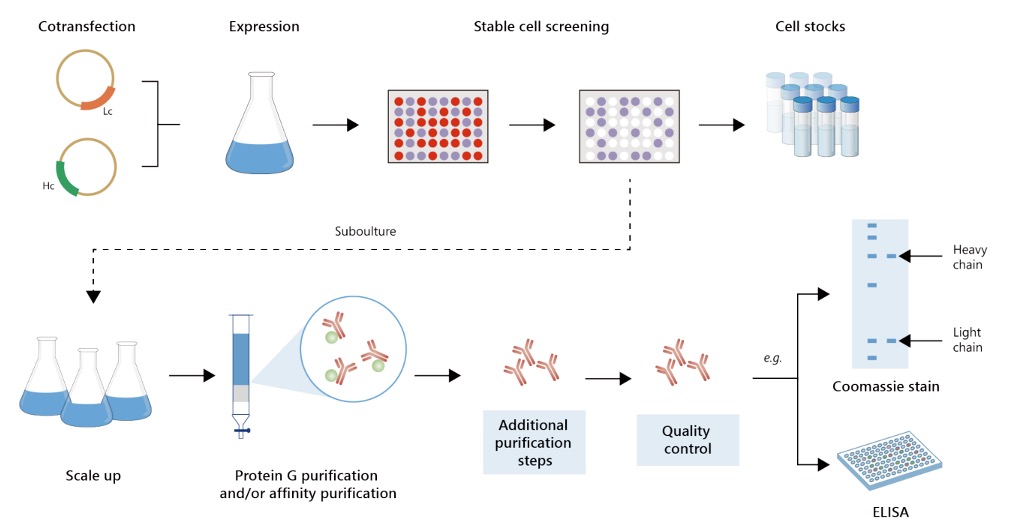 Fig.2 Gram-scale anti-PRKAR2B recombinant antibody production.
rAb Modalities
Creative Biolabs is passionate about facilitating scientific discovery, and one of the ways we do this is by offering a suite of flexible antibody solutions. Our anti-PRKAR2B recombinant antibodies are available in multiple customizable modalities to fit the needs of a wide variety of experimental applications. Researchers around the world can take advantage of our tools to study this important signaling protein.
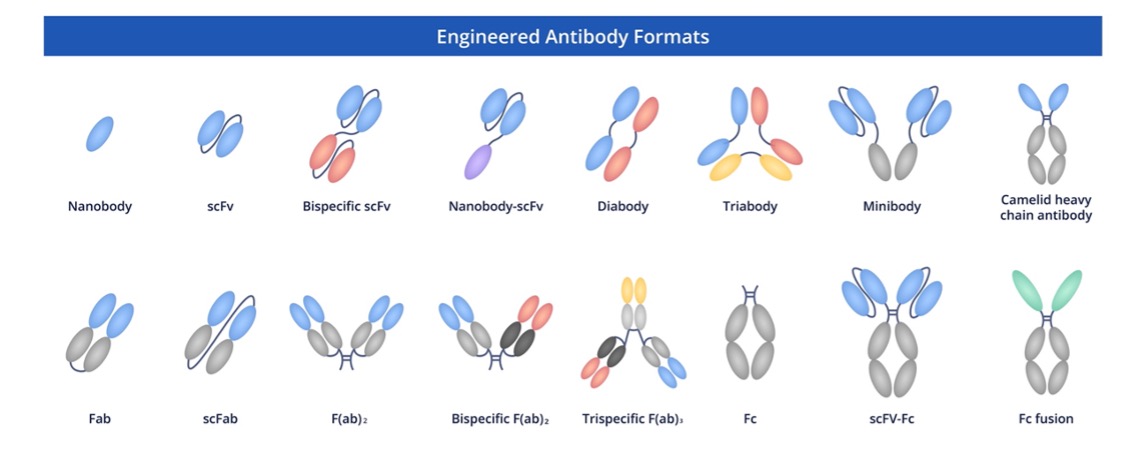 Fig.3 Full-length anti-PRKAR2B recombinant antibody production and modalities.
Probe the tissue specific functions of PKA signaling with Creative Biolabs' ultra-specific anti-PRKAR2B recombinant antibodies. Our comprehensive product portfolio features the validation and specificity you need to study this distinct protein. Connect with our scientific team today.