


Anti-Listeria species Polyclonal Antibody
CAT#: MRO-1003-MZ
This antibody is a goat polyclonal antibody which specifically reacts with Listeria species.
Specifications
- Immunogen
- Antigens from various strains of Listeria
- Host Species
- Goat
- Type
- Goat antibody
- Antibody Isotype
- IgG
- Specificity
- Listeria
- Applications
- ELISA
Target
- Alternative Names
- Listeria species
REVIEWS AND Q&AS
CITATIONS
RESOURCES
DOWNLOADS
RELATED PRODUCTS
Inquiry
Navs
Customer Review

There are currently no Customer reviews or questions for MRO-1003-MZ. Click the button above to contact us or submit your feedback about this product.

Superior Pathogen Detection
The Anti-Listeria species Polyclonal Antibody excels in pathogen detection, offering high sensitivity and specificity. It significantly enhances the accuracy of Listeria identification in food safety research.
Exceptional Consistency in Diagnostics
This antibody ensures remarkable consistency, crucial for diagnostic research. It delivers reliable and reproducible results in detecting Listeria species, significantly improving diagnostic accuracy and efficiency.
Reliable Tool for Vaccine Development
In vaccine research, this antibody proves to be an optimal tool. Its superior sensitivity and specificity aid in the accurate identification of Listeria antigens, significantly advancing the quality of vaccine development studies.
Q&As
-
How should the Anti-Listeria species Polyclonal Antibody be stored to ensure its stability and effectiveness?
A: For optimal stability and effectiveness, the Anti-Listeria species Polyclonal Antibody should be stored at -20°C or lower. Aliquoting the antibody is recommended to avoid repeated freeze-thaw cycles. Before use, thaw the aliquots on ice and mix gently. Proper storage conditions are crucial to maintain the antibody's performance over time.
-
Can the Anti-Listeria species Polyclonal Antibody be used in immunofluorescence studies? If so, what are the key considerations?
A: Yes, the Anti-Listeria species Polyclonal Antibody can be used in immunofluorescence studies. Key considerations include fixing the cells or tissue samples with paraformaldehyde and permeabilizing with Triton X-100. The antibody should be diluted appropriately (usually 1:100 to 1:500) and incubated with the samples for 1 hour at room temperature. Use a fluorescence-conjugated secondary antibody for detection.
-
What cross-reactivity issues might be encountered with the Anti-Listeria species Polyclonal Antibody, and how can they be minimized?
A: While the Anti-Listeria species Polyclonal Antibody is highly specific to Listeria species, cross-reactivity with other bacteria can occur. To minimize this, it is essential to validate the antibody in the specific experimental context and include appropriate controls. Pre-adsorption with related bacterial antigens can also help reduce non-specific binding.
-
How can the Anti-Listeria species Polyclonal Antibody be applied in Western blotting experiments?
A: In Western blotting, the Anti-Listeria species Polyclonal Antibody should be used at a dilution of 1:1,000 to 1:10,000. Proteins should be separated by SDS-PAGE and transferred to a PVDF or nitrocellulose membrane. After blocking, incubate the membrane with the primary antibody for 1-2 hours at room temperature or overnight at 4°C, followed by an HRP-conjugated secondary antibody and detection.
-
What troubleshooting steps should be taken if non-specific bands are observed in Western blotting with the Anti-Listeria species Polyclonal Antibody?
A: If non-specific bands are observed, consider optimizing the antibody dilution and blocking conditions. Using fresh reagents and validating the antibody specificity with control samples can also help. Additionally, improving the washing steps and using a higher quality blocking buffer can reduce background signals.
View the frequently asked questions answered by Creative Biolabs Support.
Submit Your Publication
Published with our product? Submit your paper and receive a 10% discount on your next order! Share your research to earn exclusive rewards.
Downloadable Resources
Download resources about recombinant antibody development and antibody engineering to boost your research.
Product Notes
This is a product of Creative Biolabs' Hi-Affi™ recombinant antibody portfolio, which has several benefits including:
• Increased sensitivity
• Confirmed specificity
• High repeatability
• Excellent batch-to-batch consistency
• Sustainable supply
• Animal-free production
See more details about Hi-Affi™ recombinant antibody benefits.
Datasheet
MSDS
COA
Certificate of Analysis LookupTo download a Certificate of Analysis, please enter a lot number in the search box below. Note: Certificate of Analysis not available for kit components.
Lot Number:
Specific Inquiry
 Add to compare

See Our Custom Production in Action
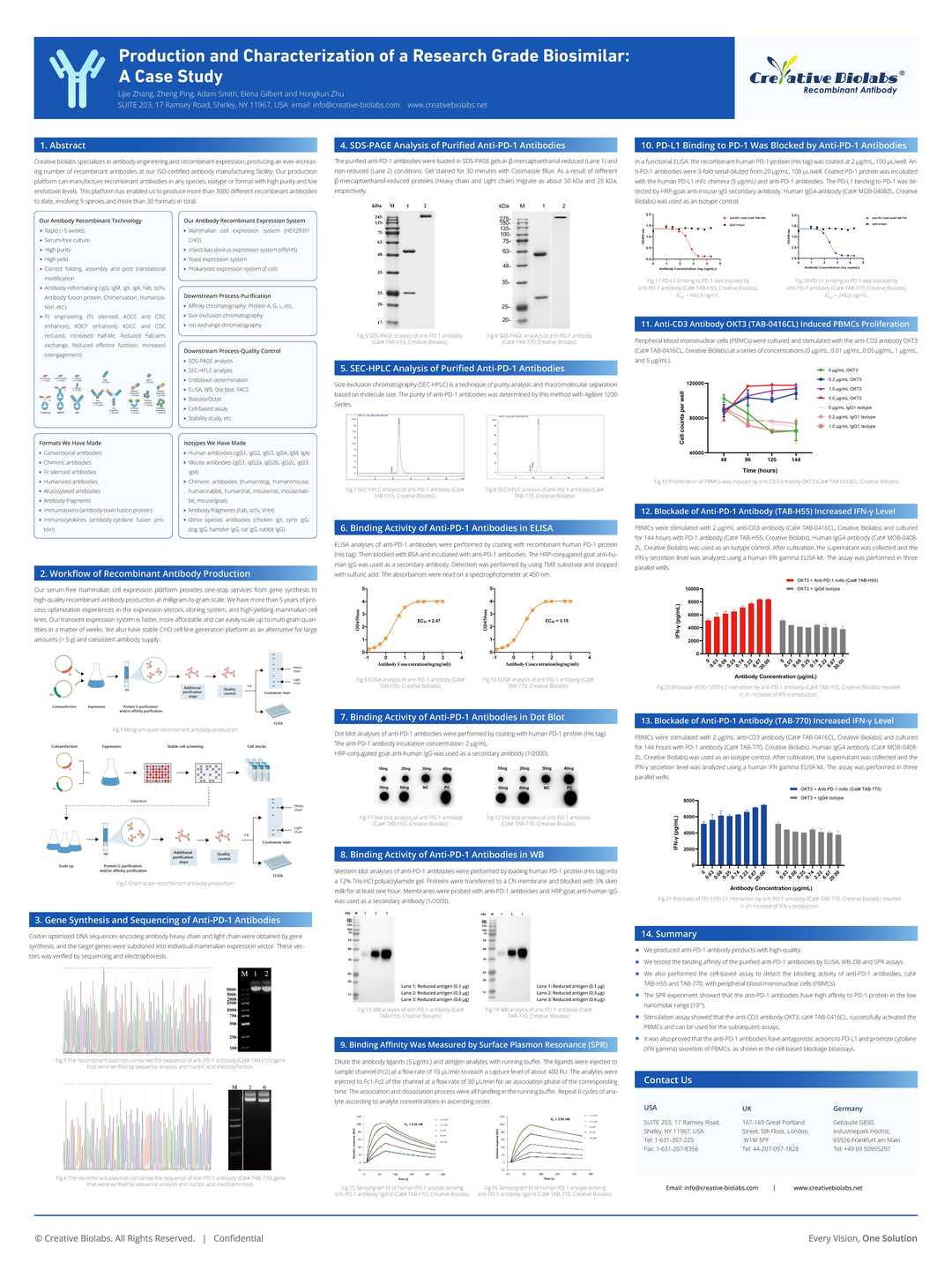
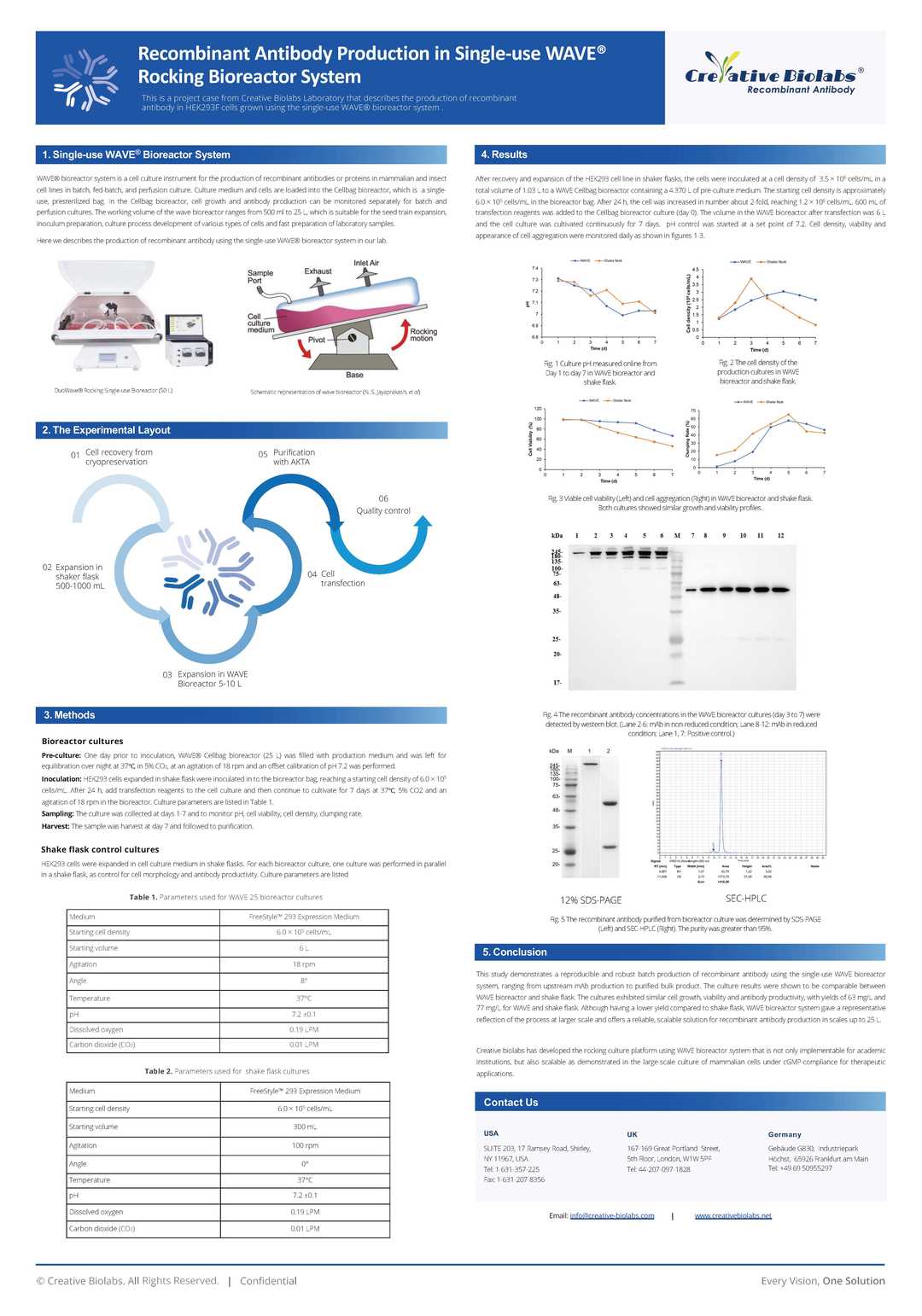
Popular Products


Application: WB, FuncS, IF, Neut, ELISA, FC, IP

Application: FC, IP, ELISA, Neut, FuncS, IF, IHC

Application: ELISA, FC, IP, FuncS, IF, Neut, ICC

Application: WB, FuncS, IF, Neut, ELISA, FC, IP

Application: WB, ELISA, FC, IP, FuncS, IF, Neut
-2.png)

Application: FC, IP, ELISA, Neut, FuncS, IF, WB

Application: FC, IHC, FuncS, Inhib, Cyt

Application: FuncS, IF, Neut, ELISA, FC, IP, WB

Application: IP, IF, FuncS, FC, Neut, ELISA, IHC

Application: FuncS, IF, Neut, ELISA, FC, IP, IHC


Application: WB, IF, FuncS

For research use only. Not intended for any clinical use. No products from Creative Biolabs may be resold, modified for resale or used to manufacture commercial products without prior written approval from Creative Biolabs.
Send Inquiry
This site is protected by reCAPTCHA and the Google Privacy Policy and Terms of Service apply.
