


CTLA4 & CD40
 Loading...
Anti-CTLA4 & CD40 Products
+ Filter
Loading...- Human Anti-CD40 Recombinant Antibody (MOB-107LC) (MOB-107LC)
-
- Species Reactivity: Human
- Type: Human IgG2, κ
- Application: FC, FuncS, ELISA
 Compare
-
- Derivation: Humanized (from mouse)
- Species Reactivity: Human
- Type: IgG1
- Application: IF, IP, Neut, FuncS, ELISA, FC, ICC
Compare
- Human Anti-CD40 Recombinant Antibody (TAB-126CL) (TAB-126CL)
-
- Derivation: Humanized
- Species Reactivity: Human
- Type: Human IgG
- Application: Block, Cyt, FuncS, Inhib
Compare
-
- Derivation: Human
- Species Reactivity: Human
- Type: IgG1 - kappa
- Application: WB, FuncS, IF, Neut, ELISA, FC, IP
Compare
-
- Derivation: Human
- Species Reactivity: Human
- Type: IgG2
- Application: WB, IF, IP, Neut, FuncS, ELISA, FC
Compare
- Human Anti-CD40 Recombinant Antibody (MOB-106LC) (MOB-106LC)
-
- Species Reactivity: Human
- Type: Human IgG2, κ
- Application: FC, FuncS, ELISA
Compare
- Human Anti-CD40 Recombinant Antibody (MOB-105LC) (MOB-105LC)
-
- Species Reactivity: Human
- Type: Human IgG1, κ
- Application: FC, FuncS
Compare
-
- Derivation: Human
- Species Reactivity: Human
- Type: IgG1 - kappa
- Application: ELISA, FC, IP, FuncS, IF, Neut, IHC
Compare
- Anti-Human CTLA4 Recombinant Antibody Fab Fragment (TGN2122.H) (TAB-083MZ-F(E))
-
- Type: Humanized antibody
- Application: ELISA, FC
Compare
- Anti-Human CTLA4 Recombinant Antibody Fab Fragment (TGN2422.H) (TAB-084MZ-F(E))
-
- Type: Humanized antibody
- Application: ELISA, FC
Compare
- Anti-Human CTLA4 Recombinant Antibody Fab Fragment (TGN2122.C) (TAB-085MZ-F(E))
-
- Type: Chimeric antibody (mouse/human)
- Application: ELISA, FC
Compare
- Anti-Human CTLA4 Recombinant Antibody Fab Fragment (TGN2422.C) (TAB-086MZ-F(E))
-
- Type: Chimeric antibody (mouse/human)
- Application: ELISA, FC
Compare
-
- Derivation: Chimeric (mouse/human)
- Species Reactivity: Human
- Type: IgG1
- Application: IP, IF, FuncS, FC, Neut, ELISA, ICC
Compare
- Anti-Human CD40 Recombinant Antibody (hsPPAT-071-04) (TAB-0086CL)
-
- Type: Humanized Antibody
Compare
- Anti-CD40 Recombinant Antibody; Fab Fragment (TAB-202LC-F(E)) (TAB-202LC-F(E))
-
- Derivation: Chimeric (mouse/rhesus)
- Species Reactivity: Human, Rhesus
- Type: Chimeric antibody (mouse/rhesus)
- Application: FC, ELISA
Compare
- Anti-CD40 Recombinant Antibody; Fab Fragment (TAB-203LC-F(E)) (TAB-203LC-F(E))
-
- Derivation: Chimeric (mouse/rhesus)
- Species Reactivity: Human, Rhesus
- Type: Chimeric antibody (mouse/rhesus)
- Application: FC, ELISA
Compare
- Human Anti-CD40 Recombinant Antibody; Fab Fragment (TAB-204LC-F(E)) (TAB-204LC-F(E))
-
- Derivation: Phage display
- Species Reactivity: Human
- Type: Human Fab
- Application: SPR, ELISA
Compare
- Human Anti-CD40 Recombinant Antibody; Fab Fragment (TAB-205LC-F(E)) (TAB-205LC-F(E))
-
- Derivation: Phage display
- Species Reactivity: Human
- Type: Human Fab
- Application: SPR, ELISA
Compare
- Human Anti-CD40 Recombinant Antibody; Fab Fragment (TAB-206LC-F(E)) (TAB-206LC-F(E))
-
- Derivation: Phage display
- Species Reactivity: Human
- Type: Human Fab
- Application: SPR, ELISA
Compare
- Anti-Human CD40 Recombinant Antibody (PPAT-071-07) (TAB-0067CL)
-
- Species Reactivity: Human, Monkey
- Application: ELISA, ADCC, CDC, FuncS
Compare
- Anti-Human CD40 Recombinant Antibody (PPAT-071-08) (TAB-0068CL)
-
- Species Reactivity: Human, Monkey
- Application: ELISA, ADCC, CDC, FuncS
Compare
- Anti-Human CD40 Recombinant Antibody (PPAT-071-09) (TAB-0069CL)
-
- Species Reactivity: Human, Monkey
- Application: ELISA, ADCC, CDC, FuncS
Compare
- Anti-Human CD40 Recombinant Antibody (PPAT-071-10) (TAB-0070CL)
-
- Species Reactivity: Human, Monkey
- Application: ELISA, ADCC, CDC, FuncS
Compare
- Anti-Human CD40 Recombinant Antibody (PPAT-071-11) (TAB-0071CL)
-
- Species Reactivity: Human, Monkey
- Application: ELISA, ADCC, CDC, FuncS
Compare
- Anti-Human CD40 Recombinant Antibody (PPAT-071-12) (TAB-0072CL)
-
- Species Reactivity: Human, Monkey
- Application: ELISA, ADCC, CDC, FuncS
Compare
- Anti-Human CD40 Recombinant Antibody (PPAT-071-13) (TAB-0073CL)
-
- Species Reactivity: Human, Monkey
- Application: ELISA, ADCC, CDC, FuncS
Compare
- Anti-Human CD40 Recombinant Antibody (PPAT-071-14) (TAB-0074CL)
-
- Species Reactivity: Cross-react with mouse CD40
- Application: ELISA, ADCC, CDC, FuncS
Compare
- Anti-Human CD40 Recombinant Antibody (PPAT-071-15) (TAB-0075CL)
-
- Species Reactivity: Cross-react with mouse CD40
- Application: ELISA, ADCC, CDC, FuncS
Compare
- Anti-Human CD40 Recombinant Antibody (PPAT-071-16) (TAB-0076CL)
-
- Species Reactivity: Cross-react with mouse CD40
- Application: ELISA, ADCC, CDC, FuncS
Compare
- Anti-Human CD40 Recombinant Antibody (PPAT-071-17) (TAB-0077CL)
-
- Species Reactivity: Cross-react with mouse CD40
- Application: ELISA, ADCC, CDC, FuncS
Compare
- Anti-Human CD40 Recombinant Antibody (PPAT-071-18) (TAB-0078CL)
-
- Species Reactivity: Cross-react with mouse CD40
- Application: ELISA, ADCC, CDC, FuncS
Compare
- Human Anti-CD40 Recombinant Antibody; Fab Fragment (HPAB-0162-YC-F(E)) (HPAB-0162-YC-F(E))
-
- Species Reactivity: Human
- Type: Human Fab
- Application: FC
Compare
- Human Anti-CD40 Recombinant Antibody; Fab Fragment (HPAB-0163-YC-F(E)) (HPAB-0163-YC-F(E))
-
- Species Reactivity: Human
- Type: Human Fab
- Application: FC
Compare
- Anti-Human CD40 Recombinant Antibody Fab Fragment (PPAT-071-06) (TAB-0066CL-F(E))
-
- Species Reactivity: Human, Monkey
- Application: ELISA, FuncS
Compare
- Anti-Human CD40 Recombinant Antibody Fab Fragment (PPAT-071-07) (TAB-0067CL-F(E))
-
- Species Reactivity: Human, Monkey
- Application: ELISA, FuncS
Compare
- Anti-Human CD40 Recombinant Antibody Fab Fragment (PPAT-071-08) (TAB-0068CL-F(E))
-
- Species Reactivity: Human, Monkey
- Application: ELISA, FuncS
Compare
- Anti-Human CD40 Recombinant Antibody Fab Fragment (PPAT-071-09) (TAB-0069CL-F(E))
-
- Species Reactivity: Human, Monkey
- Application: ELISA, FuncS
Compare
- Anti-Human CD40 Recombinant Antibody Fab Fragment (PPAT-071-10) (TAB-0070CL-F(E))
-
- Species Reactivity: Human, Monkey
- Application: ELISA, FuncS
Compare
- Anti-Human CD40 Recombinant Antibody Fab Fragment (PPAT-071-11) (TAB-0071CL-F(E))
-
- Species Reactivity: Human, Monkey
- Application: ELISA, FuncS
Compare
- Anti-Human CD40 Recombinant Antibody Fab Fragment (PPAT-071-12) (TAB-0072CL-F(E))
-
- Species Reactivity: Human, Monkey
- Application: ELISA, FuncS
Compare
- Anti-Human CD40 Recombinant Antibody Fab Fragment (PPAT-071-13) (TAB-0073CL-F(E))
-
- Species Reactivity: Human, Monkey
- Application: ELISA, FuncS
Compare
- Anti-Human CD40 Recombinant Antibody Fab Fragment (PPAT-071-14) (TAB-0074CL-F(E))
-
- Species Reactivity: Cross-react with mouse CD40
- Application: ELISA, FuncS
Compare
- Anti-Human CD40 Recombinant Antibody Fab Fragment (PPAT-071-15) (TAB-0075CL-F(E))
-
- Species Reactivity: Cross-react with mouse CD40
- Application: ELISA, FuncS
Compare
- Anti-Human CD40 Recombinant Antibody Fab Fragment (PPAT-071-16) (TAB-0076CL-F(E))
-
- Species Reactivity: Cross-react with mouse CD40
- Application: ELISA, FuncS
Compare
- Anti-Human CD40 Recombinant Antibody Fab Fragment (PPAT-071-17) (TAB-0077CL-F(E))
-
- Species Reactivity: Cross-react with mouse CD40
- Application: ELISA, FuncS
Compare
- Anti-Human CD40 Recombinant Antibody Fab Fragment (PPAT-071-18) (TAB-0078CL-F(E))
-
- Species Reactivity: Cross-react with mouse CD40
- Application: ELISA, FuncS
Compare
- Anti-Human CD40 Recombinant Antibody Fab Fragment (PPAT-071-19) (TAB-0079CL-F(E))
-
- Species Reactivity: Cross-react with mouse CD40
- Application: ELISA, FuncS
Compare
- Anti-Human CD40 Recombinant Antibody scFv Fragment (PPAT-071-12) (TAB-0072CL-S(P))
-
- Species Reactivity: Human, Monkey
- Application: ELISA, FuncS
Compare
- Anti-Human CD40 Recombinant Antibody scFv Fragment (PPAT-071-13) (TAB-0073CL-S(P))
-
- Species Reactivity: Human, Monkey
- Application: ELISA, FuncS
Compare
- Anti-Human CD40 Recombinant Antibody scFv Fragment (PPAT-071-14) (TAB-0074CL-S(P))
-
- Species Reactivity: Cross-react with mouse CD40
- Application: ELISA, FuncS
Compare
- Anti-Human CD40 Recombinant Antibody scFv Fragment (PPAT-071-15) (TAB-0075CL-S(P))
-
- Species Reactivity: Cross-react with mouse CD40
- Application: ELISA, FuncS
Compare
- Anti-Human CD40 Recombinant Antibody scFv Fragment (PPAT-071-16) (TAB-0076CL-S(P))
-
- Species Reactivity: Cross-react with mouse CD40
- Application: ELISA, FuncS
Compare
- Anti-Human CD40 Recombinant Antibody scFv Fragment (PPAT-071-17) (TAB-0077CL-S(P))
-
- Species Reactivity: Cross-react with mouse CD40
- Application: ELISA, FuncS
Compare
- Anti-Human CD40 Recombinant Antibody Fab Fragment (PPAT-071-01) (TAB-0061CL-F(E))
-
- Species Reactivity: Human, Monkey
- Application: ELISA, FuncS
Compare
- Anti-Human CD40 Recombinant Antibody Fab Fragment (PPAT-071-02) (TAB-0062CL-F(E))
-
- Species Reactivity: Human, Monkey
- Application: ELISA, FuncS
Compare
- Anti-Human CD40 Recombinant Antibody Fab Fragment (PPAT-071-03) (TAB-0063CL-F(E))
-
- Species Reactivity: Human, Monkey
- Application: ELISA, FuncS
Compare
- Anti-Human CD40 Recombinant Antibody Fab Fragment (PPAT-071-04) (TAB-0064CL-F(E))
-
- Species Reactivity: Human, Monkey
- Application: ELISA, FuncS
Compare
- Anti-Human CD40 Recombinant Antibody Fab Fragment (PPAT-071-05) (TAB-0065CL-F(E))
-
- Species Reactivity: Human, Monkey
- Application: ELISA, FuncS
Compare
- Mouse Anti-CD40 Recombinant Antibody (TAB-209LC) (TAB-209LC)
-
- Species Reactivity: Human
- Type: Mouse IgG, κ
- Application: ELISA
Compare
- Mouse Anti-CD40 Recombinant Antibody (TAB-177LC) (TAB-177LC)
-
- Species Reactivity: Human
- Type: Mouse IgG
- Application: FC, ELISA
Compare
- Mouse Anti-CD40 Recombinant Antibody (TAB-178LC) (TAB-178LC)
-
- Species Reactivity: Human
- Type: Mouse IgG
- Application: FC, ELISA
Compare
- Mouse Anti-CD40 Recombinant Antibody (TAB-179LC) (TAB-179LC)
-
- Species Reactivity: Human
- Type: Mouse IgG
- Application: FC, ELISA
Compare
- Mouse Anti-CD40 Recombinant Antibody (TAB-180LC) (TAB-180LC)
-
- Species Reactivity: Human
- Type: Mouse IgG
- Application: FC, ELISA
Compare
- Mouse Anti-CD40 Recombinant Antibody (TAB-181LC) (TAB-181LC)
-
- Species Reactivity: Human
- Type: Mouse IgG
- Application: FC, ELISA
Compare
- Mouse Anti-CD40 Recombinant Antibody (TAB-182LC) (TAB-182LC)
-
- Species Reactivity: Human
- Type: Mouse IgG
- Application: FC, ELISA
Compare
- Mouse Anti-CD40 Recombinant Antibody (TAB-183LC) (TAB-183LC)
-
- Species Reactivity: Human
- Type: Mouse IgG
- Application: FC, ELISA
Compare
- Mouse Anti-CD40 Recombinant Antibody; scFv Fragment (TAB-177LC-S(P)) (TAB-177LC-S(P))
-
- Species Reactivity: Human
- Type: Mouse scFv
- Application: FC, ELISA
Compare
- Mouse Anti-CD40 Recombinant Antibody; scFv Fragment (TAB-178LC-S(P)) (TAB-178LC-S(P))
-
- Species Reactivity: Human
- Type: Mouse scFv
- Application: FC, ELISA
Compare
- Mouse Anti-CD40 Recombinant Antibody; scFv Fragment (TAB-179LC-S(P)) (TAB-179LC-S(P))
-
- Species Reactivity: Human
- Type: Mouse scFv
- Application: FC, ELISA
Compare
- Mouse Anti-CD40 Recombinant Antibody; scFv Fragment (TAB-180LC-S(P)) (TAB-180LC-S(P))
-
- Species Reactivity: Human
- Type: Mouse scFv
- Application: FC, ELISA
Compare
- Mouse Anti-CD40 Recombinant Antibody; scFv Fragment (TAB-181LC-S(P)) (TAB-181LC-S(P))
-
- Species Reactivity: Human
- Type: Mouse scFv
- Application: FC, ELISA
Compare
- Mouse Anti-CD40 Recombinant Antibody; scFv Fragment (TAB-182LC-S(P)) (TAB-182LC-S(P))
-
- Species Reactivity: Human
- Type: Mouse scFv
- Application: FC, ELISA
Compare
- Mouse Anti-CD40 Recombinant Antibody; scFv Fragment (TAB-183LC-S(P)) (TAB-183LC-S(P))
-
- Species Reactivity: Human
- Type: Mouse scFv
- Application: FC, ELISA
Compare
- Mouse Anti-Human CD40 Recombinant Antibody scFv Fragment (1.66) (TAB-184LC-S(P))
-
- Application: SPR, ELISA
Compare
- Anti-CTLA4 immunotoxin (scFv)-PE (AGTO-G015E)
-
- Species Reactivity: Human
- Application: Cytotoxicity assay, Function study
Compare
- Anti-CTLA4 immunotoxin (scFv)-Sap (AGTO-G015S)
-
- Species Reactivity: Human
- Application: Cytotoxicity assay, Function study
Compare
- Anti-CTLA4 immunotoxin (scFv)-Mel (AGTO-G015M)
-
- Species Reactivity: Human
- Application: Cytotoxicity assay, Function study
Compare
- Anti-CD40 immunotoxin (scFv)-PE (AGTO-G079E)
-
- Species Reactivity: Human
- Application: Cytotoxicity assay, Function study
Compare
- 10-FnIII scaffold protein anti-Human Cd40l (SFN-L034)
-
- Scaffold Name: 10-FnIII
- Target: Cd40l
- Species Reactivity: Human
- Derivation: Phage display
Compare
- Anti-Human CD40 Recombinant Antibody (PPAT-071-01) (TAB-0061CL)
-
- Species Reactivity: Human, Monkey
- Application: ELISA, ADCC, CDC, FuncS
Compare
- Anti-Human CD40 Recombinant Antibody (PPAT-071-02) (TAB-0062CL)
-
- Species Reactivity: Human, Monkey
- Application: ELISA, ADCC, CDC, FuncS
Compare
- Anti-Human CD40 Recombinant Antibody (PPAT-071-03) (TAB-0063CL)
-
- Species Reactivity: Human, Monkey
- Application: ELISA, ADCC, CDC, FuncS
Compare
- Anti-Human CD40 Recombinant Antibody (PPAT-071-04) (TAB-0064CL)
-
- Species Reactivity: Human, Monkey
- Application: ELISA, ADCC, CDC, FuncS
Compare
- Anti-Human CD40 Recombinant Antibody (PPAT-071-05) (TAB-0065CL)
-
- Species Reactivity: Human, Monkey
- Application: ELISA, ADCC, CDC, FuncS
Compare
- Anti-Human CD40 Recombinant Antibody (PPAT-071-23) (TAB-0083CL)
-
- Species Reactivity: Cross-react with mouse CD40
- Application: ELISA, ADCC, CDC, FuncS
Compare
- Anti-Human CD40 Recombinant Antibody (PPAT-071-24) (TAB-0084CL)
-
- Species Reactivity: Cross-react with mouse CD40
- Application: ELISA, ADCC, CDC, FuncS
Compare
- Anti-Human CD40 Recombinant Antibody (PPAT-071-06) (TAB-0066CL)
-
- Species Reactivity: Human, Monkey
- Application: ELISA, ADCC, CDC, FuncS
Compare
- Anti-Human CD40 Recombinant Antibody (PPAT-071-25) (TAB-0085CL)
-
- Species Reactivity: Cross-react with cynomolgus CD40
- Application: ELISA, ADCC, CDC, FuncS
Compare
- Anti-Human CD40 Recombinant Antibody (PPAT-071-21) (TAB-0081CL)
-
- Species Reactivity: Cross-react with mouse CD40
- Application: ELISA, ADCC, CDC, FuncS
Compare
- Anti-Human CD40 Recombinant Antibody (PPAT-071-22) (TAB-0082CL)
-
- Species Reactivity: Cross-react with mouse CD40
- Application: ELISA, ADCC, CDC, FuncS
Compare
- Anti-Human CD40 Recombinant Antibody scFv Fragment (PPAT-071-01) (TAB-0061CL-S(P))
-
- Species Reactivity: Human, Monkey
- Application: ELISA, FuncS
Compare
- Anti-Human CD40 Recombinant Antibody scFv Fragment (PPAT-071-02) (TAB-0062CL-S(P))
-
- Species Reactivity: Human, Monkey
- Application: ELISA, FuncS
Compare
- Anti-Human CD40 Recombinant Antibody (PPAT-071-19) (TAB-0079CL)
-
- Species Reactivity: Cross-react with mouse CD40
- Application: ELISA, ADCC, CDC, FuncS
Compare
- Anti-Human CD40 Recombinant Antibody (PPAT-071-20) (TAB-0080CL)
-
- Species Reactivity: Cross-react with mouse CD40
- Application: ELISA, ADCC, CDC, FuncS
Compare
View More Products
Can't find the products you're looking for? Try to filter in the left sidebar.Filter By Tag
More Infomation
Our customer service representatives are available 24 hours a day, from Monday to Sunday. Contact Us
For Research Use Only. Not For Clinical Use.
Background
Inhibitory receptor acting as a major negative regulator of T-cell responses. The affinity of CTLA4 for its natural B7 family ligands, CD80 and CD86, is considerably stronger than the affinity of their cognate stimulatory coreceptor CD28. Inhibitory receptor acting as a major negative regulator of T-cell responses. The affinity of CTLA4 for its natural B7 family ligands, CD80 and CD86, is considerably stronger than the affinity of their cognate stimulatory coreceptor CD28.

This gene is a member of the TNF-receptor superfamily. The encoded protein is a receptor on antigen-presenting cells of the immune system and is essential for mediating a broad variety of immune and inflammatory responses including T cell-dependent immunoglobulin class switching, memory B cell development, and germinal center formation. AT-hook transcription factor AKNA is reported to coordinately regulate the expression of this receptor and its ligand, which may be important for homotypic cell interactions. Adaptor protein TNFR2 interacts with this receptor and serves as a mediator of the signal transduction. The interaction of this receptor and its ligand is found to be necessary for amyloid-beta-induced microglial activation, and thus is thought to be an early event in Alzheimer disease pathogenesis. Mutations affecting this gene are the cause of autosomal recessive hyper-IgM immunodeficiency type 3 (HIGM3). Multiple alternatively spliced transcript variants of this gene encoding distinct isoforms have been reported.

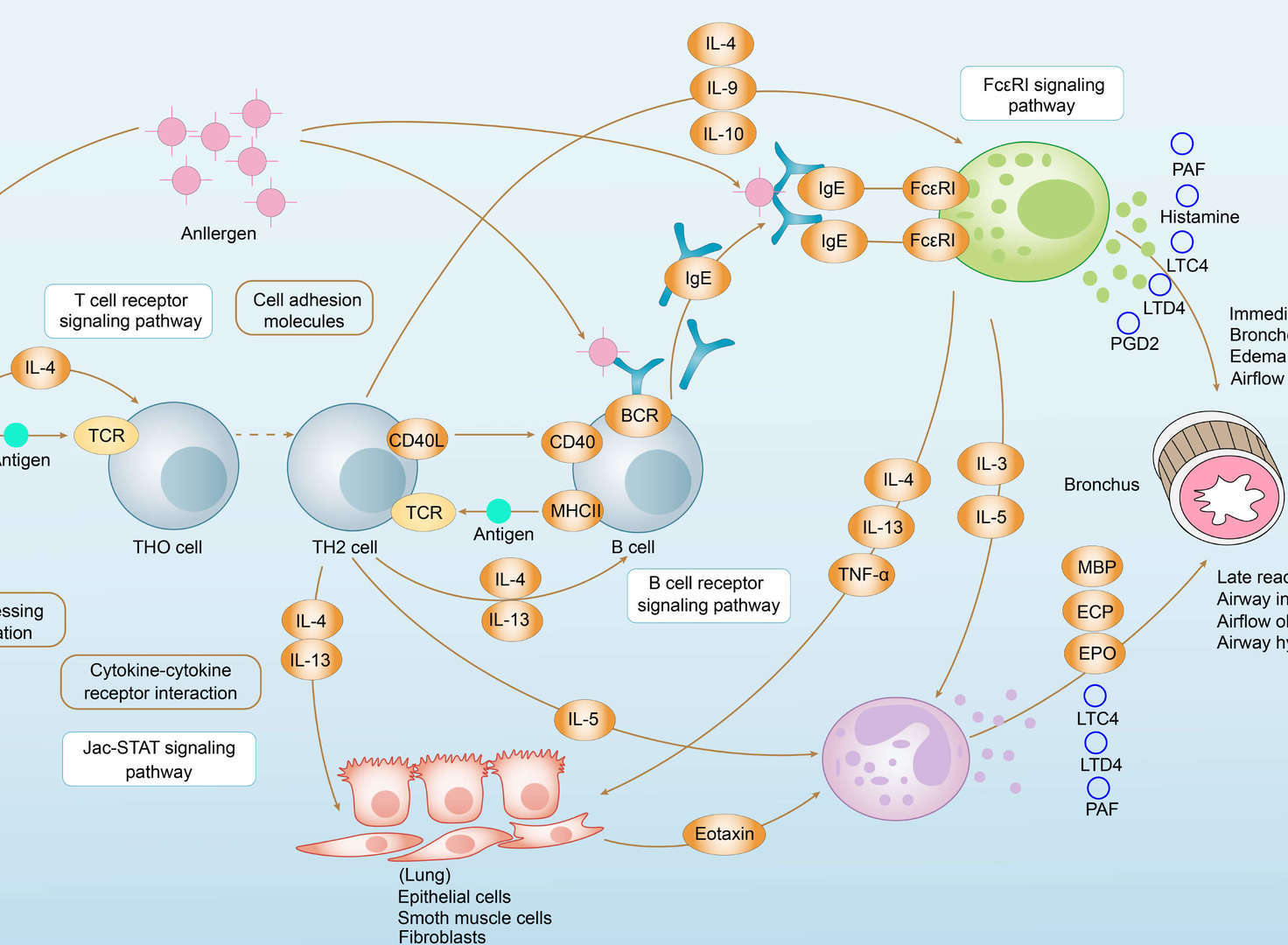 Asthma
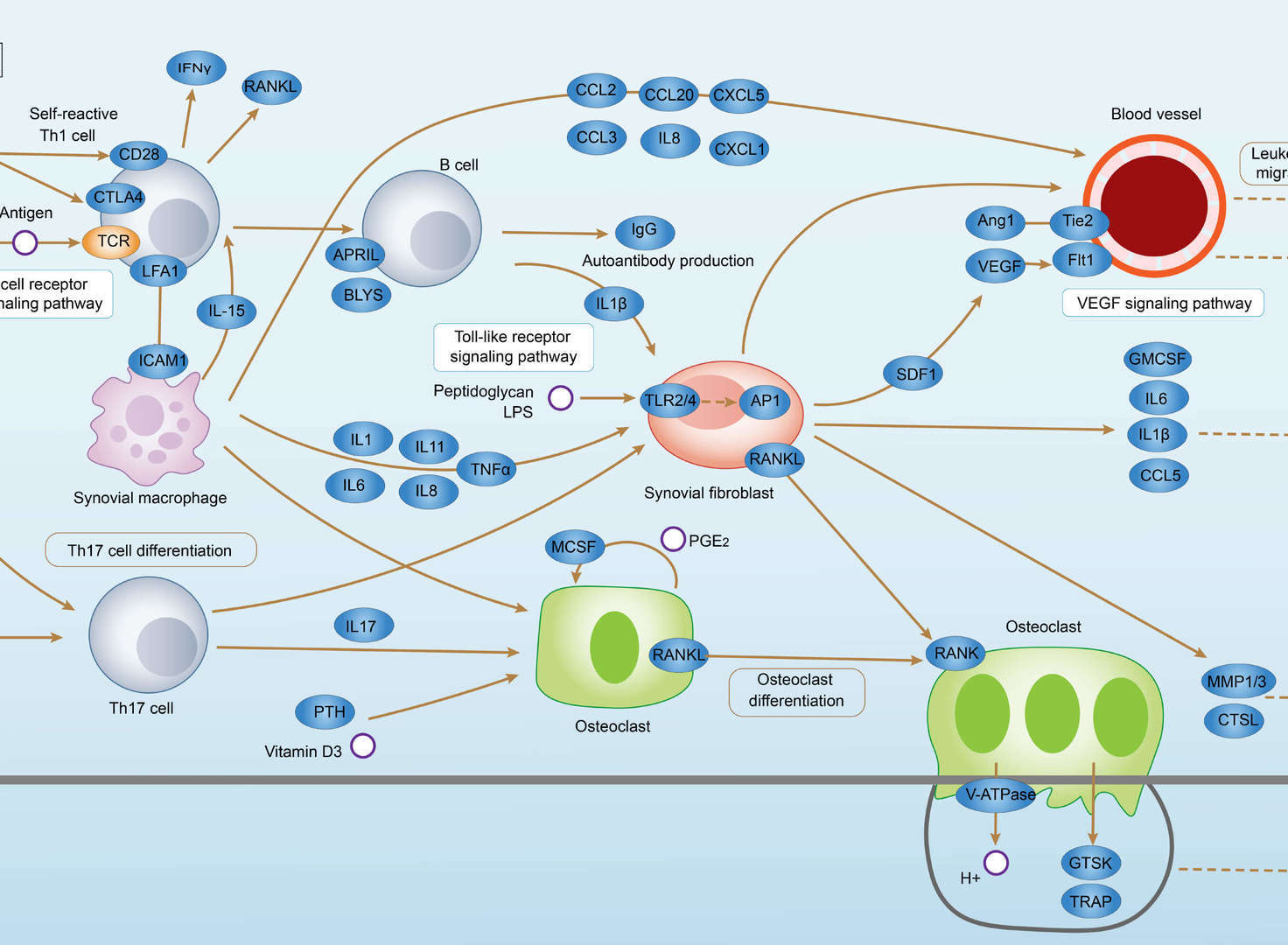 Rheumatoid Arthritis
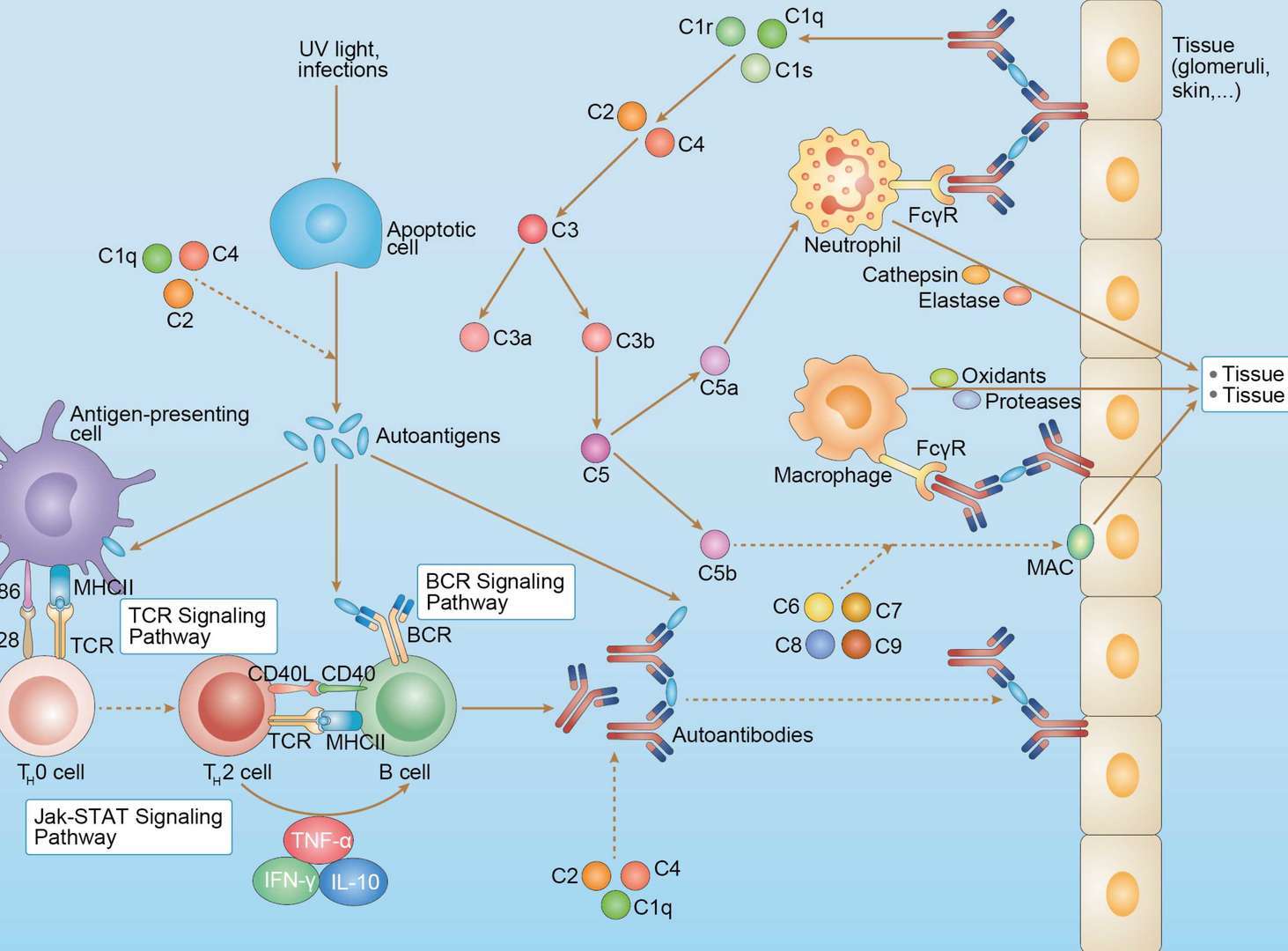 Systemic Lupus Erythematosus
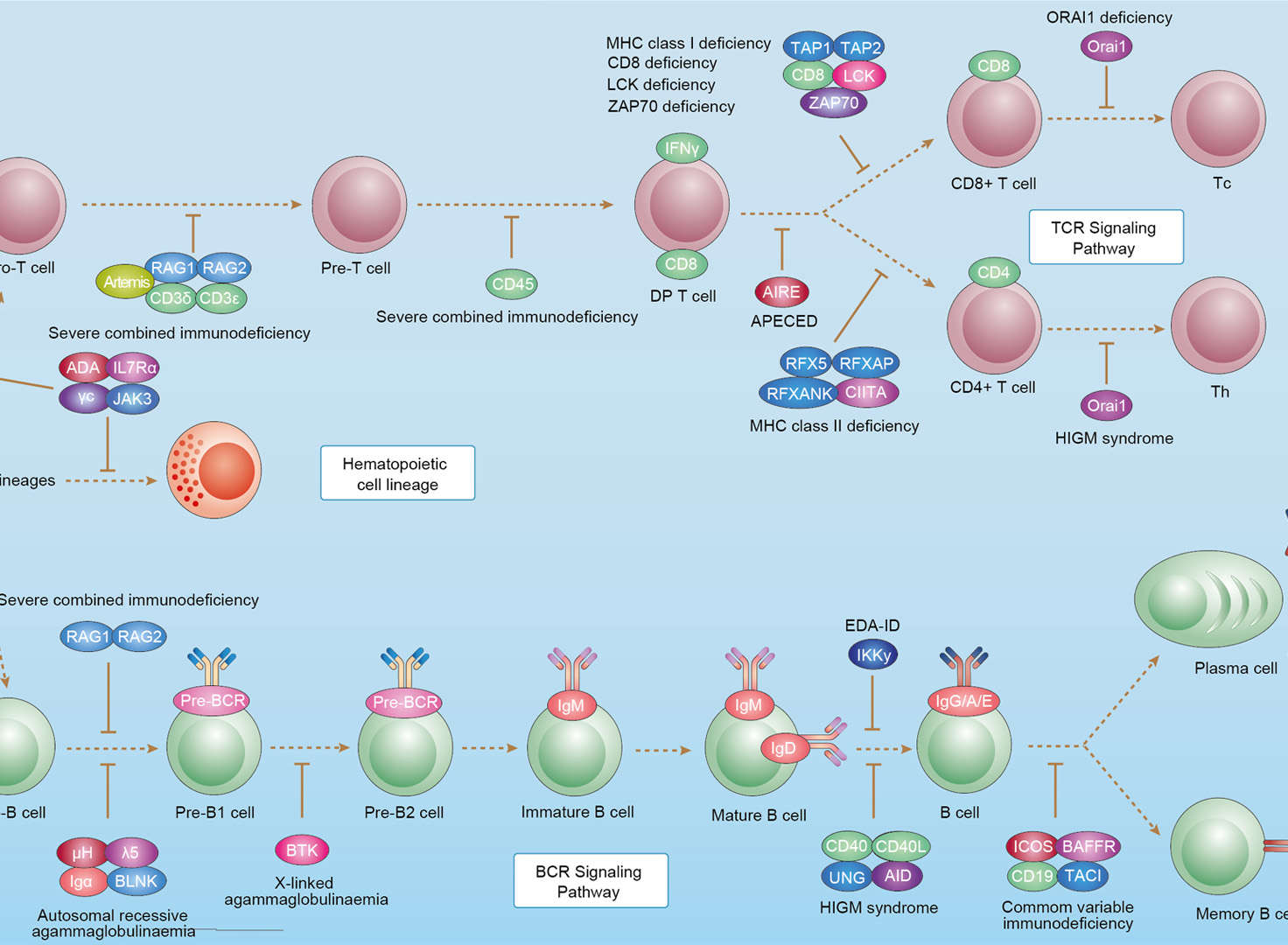 Primary Immunodeficiency
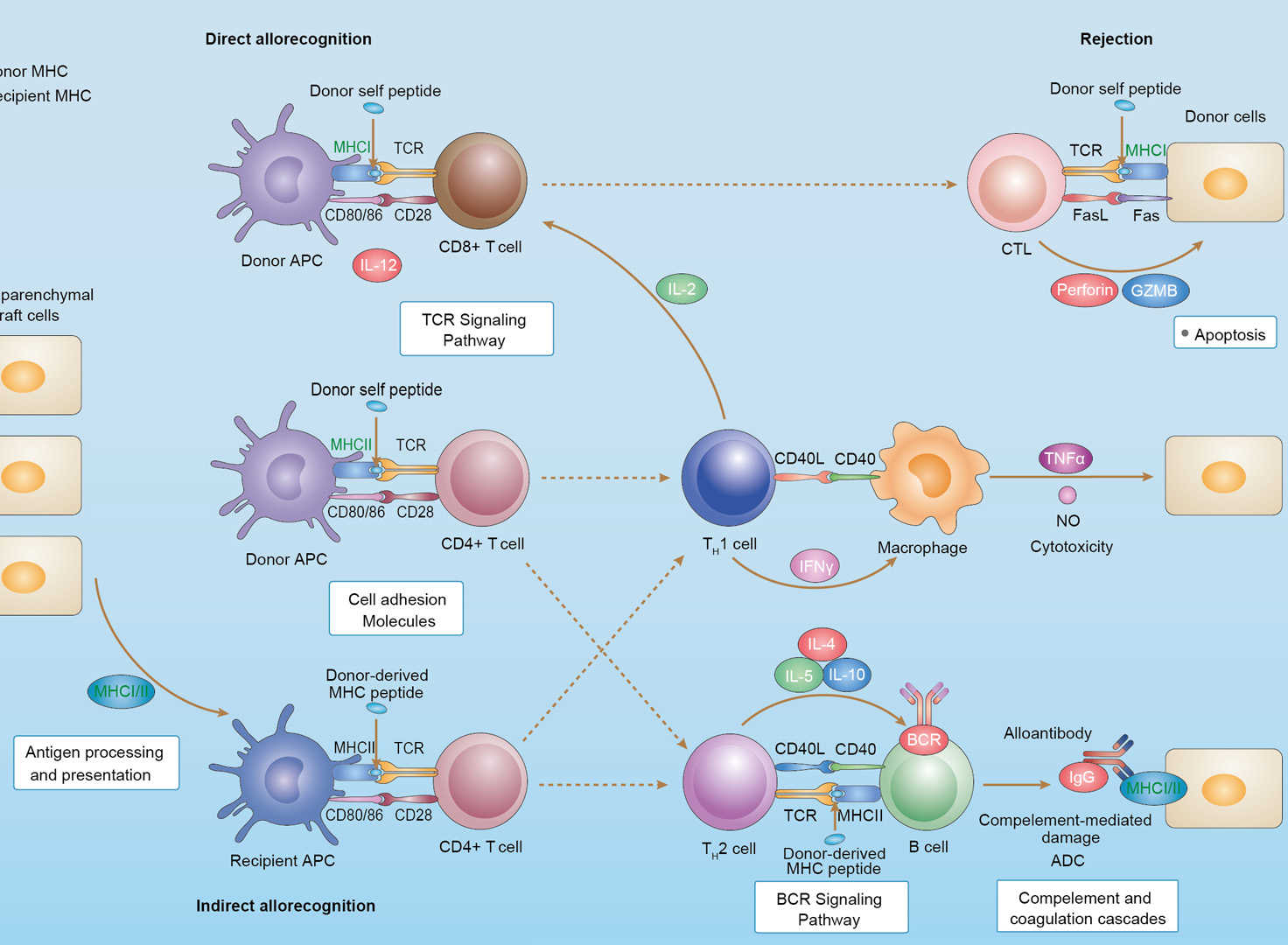 Allograft Rejection
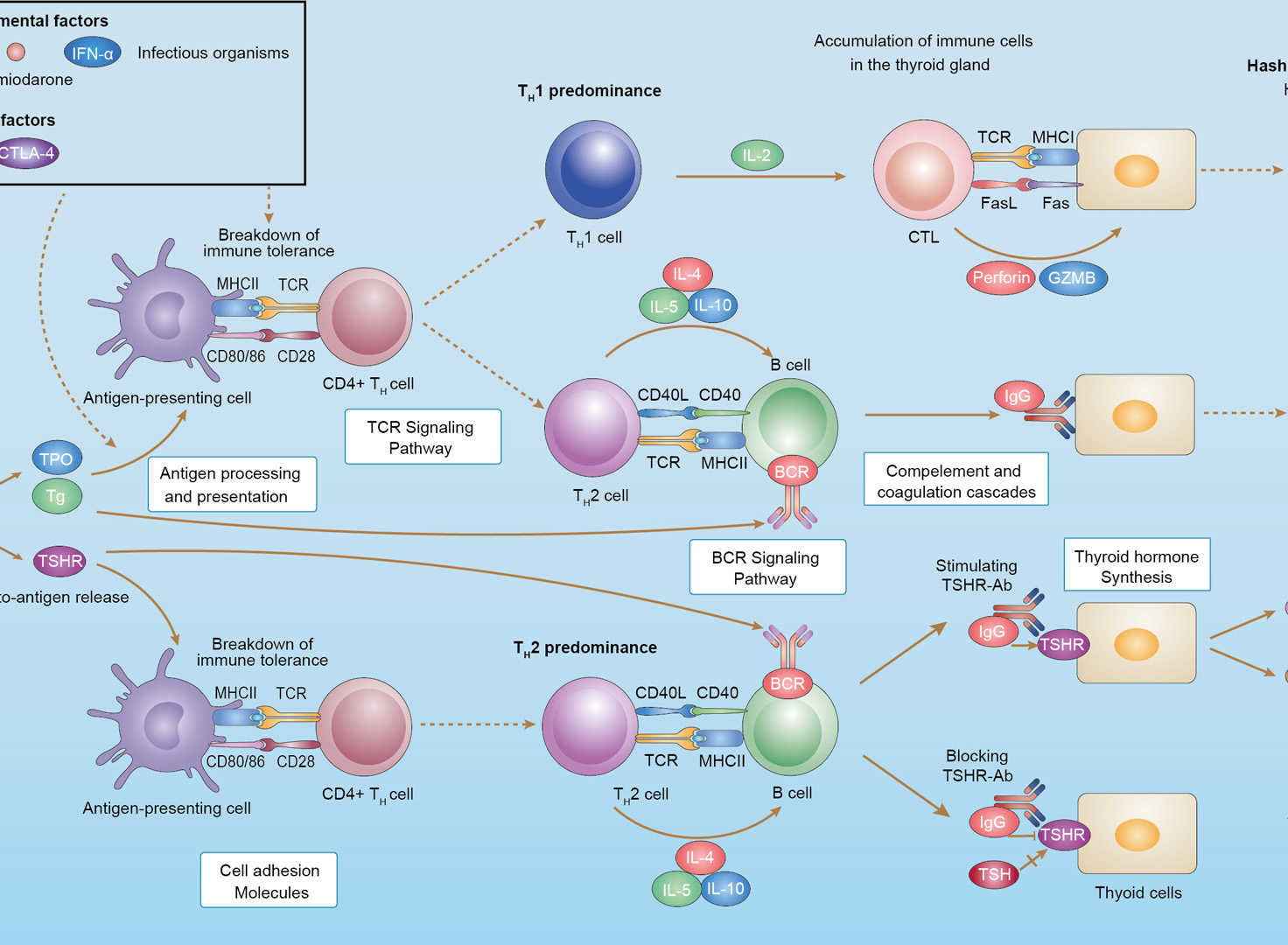 Autoimmune Thyroid Disease