


Rilotumumab Overview
Introduction of Rilotumumab
Rilotumumab, a human monoclonal antibody is designed for the treatment of solid tumors. The therapeutic target of rilotumumab is hepatocyte growth factor (HGF), a potent mitogen for hepatocytes and a variety of other cells. Rilotumumab is being used in clinical trials of a variety of tumors, including lung cancer, solid tumors, gastric cancer and prostate cancer, usually combined with other drugs. A number of joint treatment studies for rilotumumab were carried out in 2017. For example, rilotumumab combined with erlotinib was used in the phase 1/2 trial treatment of advanced non-small cell lung cancer. Rilotumumab had been investigated in the treatment of extensive small cell lung cancer, combined with platinum chemotherapy. Rilotumumab combined with epirubicin, cisplatin and capecitabine were studied in the clinical trials of advanced MET-positive gastric cancer or gastro-oesophageal junction carcinoma. Rilotumumab has been conducted in a second-stage evaluation study in the treatment of recurrent malignant gliomas, and the results showed that there was no significant improvement in the patient's condition. More trials may be needed to supplement the results of Rilotumumab in the treatment of various solid tumors.
Mechanism of Action of Rilotumumab
Rilotumumab is a human monoclonal antibody targeting HGF, for the treatment of solid tumors. HGF is a cytokine involved in a variety of cancers such as lung, pancreatic, thyroid, colon and breast cancer. HGF is a multifunction factor which can regulate cell growth, cell movement and morphogenesis. It can promote the proliferation of vascular endothelial cells and the formation of neovascularization. It is generally believed that endothelial cells need to exhibit a series of special and complex behaviors in the process of angiogenesis including proliferation, migration, cell-to-cell adhesion, alignment, and the formation of open lumen-like structures. HGF stimulates neovascularization, and its activity is stronger than before. Secondly, it can promote the generation, survival and regeneration of tissue cells, and inhibit cell apoptosis. Third, it can regulate the synthesis of collagen fibers and inflammatory response, playing an important role in promoting wound healing and prevention of tissue fibrosis. HGF binds to its antibody C-Met (HGF receptor or HGFR), phosphorylates its tyrosine residue and initiates its post-receptor signal transduction. C-Met is a receptor tyrosine kinase that is over-expressed or mutated in a variety of epithelial cancer cells, and plays a key role in tumor growth, survival, angiogenesis, invasion and metastasis. It was found that HGF can activate the expression of Bcl-2 gene and inhibit the translocation of Bax protein to the surface of mitochondrial membrane, maintain the electrochemical gradient inside and outside the mitochondrial membrane, and prevent the leakage of cytochrome c from mitochondria, which results in the inhibition of the activity of caspase-3 and caspase-9, eliciting anti-apoptosis. The binding of HGF to c-met also induces phosphorylation of extracellular signal-regulated kinase (ERK), leading to phosphorylation of signal transducers and activators of transcription (STAT3) to form dimers into the nucleus. This promotes the expression of early growth response genes such as c-los and regulates cell growth at the transcriptional level. Therefore, targeted inhibition of HGF and c-met has become a promising means of cancer treatment. Rilotumumab is designed to binds to and neutralizes HGF, which blocks the interaction between HGF and its receptor c-Met, and inhibits the activation of c-Met. Then, the inhibition of c-Met-mediated signal transduction may leads to apoptosis of tumor cells expressing c-Met.
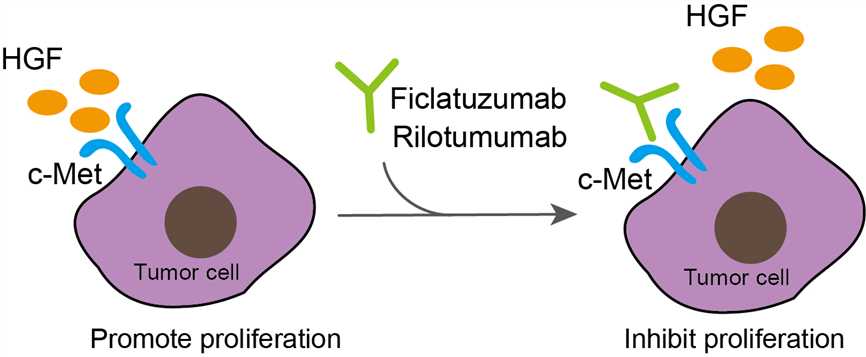
Fig 1. Mechanism of Action of Rilotumumab
For research use only. Not intended for any clinical use.
Send Inquiry
This site is protected by reCAPTCHA and the Google Privacy Policy and Terms of Service apply.
