


Lilotomab Overview
Introduction Targeting Properties Mechanism Applications Clinical Projects What We Provide
Introduction of Lilotomab
Lilotomab, previously referred to as tetulomab or HH1, is a murine monoclonal antibody specifically designed to target CD37, a glycoprotein found predominantly on the surface of mature human B cells. CD37 is a member of the tetraspanin superfamily, proteins essential for cellular signaling and membrane stability. Early studies at the Norwegian Radium Hospital revealed its ability to selectively bind to CD37-positive cells, sparing healthy tissues. These findings established lilotomab as a promising candidate for further development in research and therapeutic applications. In vivo models of NHL demonstrated that lilotomab not only reduced tumor burden but also significantly delayed disease progression. Importantly, no major off-target toxicity was observed, underscoring its potential as a safe therapeutic tool. The antibody's performance in acute myeloid leukemia (AML) research has also been noteworthy. While AML is primarily associated with myeloid lineage markers, CD37 expression in specific AML subsets suggests that lilotomab could have utility beyond its original indication.
Targeting CD37
CD37 is a tetraspanin superfamily member that is key to cell communication, signaling, and organization. It is extremely limited to mature B lymphocytes, and not widely expressed in other hematopoietic cell lines, which makes it a promising target for therapy. CD37 can control the survival and apoptotic pathways that are often used by malignant B cells to continue their growth. Interestingly, CD37 is neither shed nor internalized as other B-cell antigens such as CD20, consolidating its status as a stable target for antibody therapies like lilotomab. CD37 also binds to other tetraspanins and signaling molecules in the cell membrane, forming tetraspanin-enriched microdomains (TEMs). Such microdomains are useful for cell communication and interaction with adhesion molecules and growth receptors. In cancerous B cells (e.g., non-Hodgkin lymphoma), these dysfunctional TEMs are prone to accelerated growth and inability to stop. Because it binds only to CD37, libotemab interrupts these microdomains, altering survival signals and predisposing the cells to immune destruction.
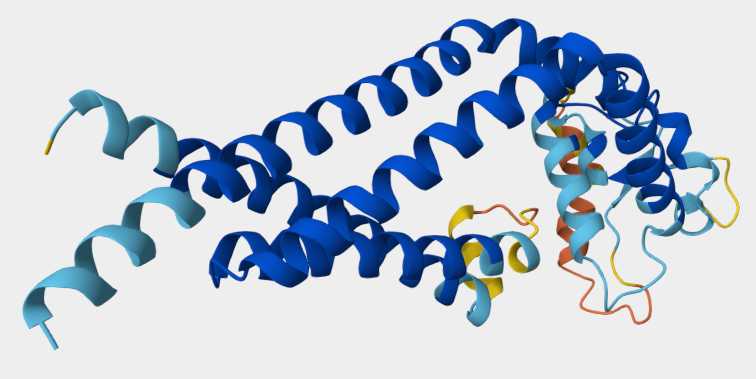 Figure 1. CD37 function in B cell1.
The selective expression pattern of CD37 also minimizes off-target effects, which is a critical advantage in therapeutic development. Unlike CD20, which is also expressed on normal B cells in the bone marrow, CD37's expression is restricted to mature B cells and some leukemic blasts in acute myeloid leukemia (AML). This precise expression allows lilotomab to exert its effects on malignant cells while sparing most normal immune cells, reducing the risk of systemic immunosuppression. This specificity underscores the therapeutic promise of CD37 as a target, with lilotomab serving as a key tool for exploring its role in malignancy and beyond.
Biological and Chemical Properties of CD37
Protein Structure
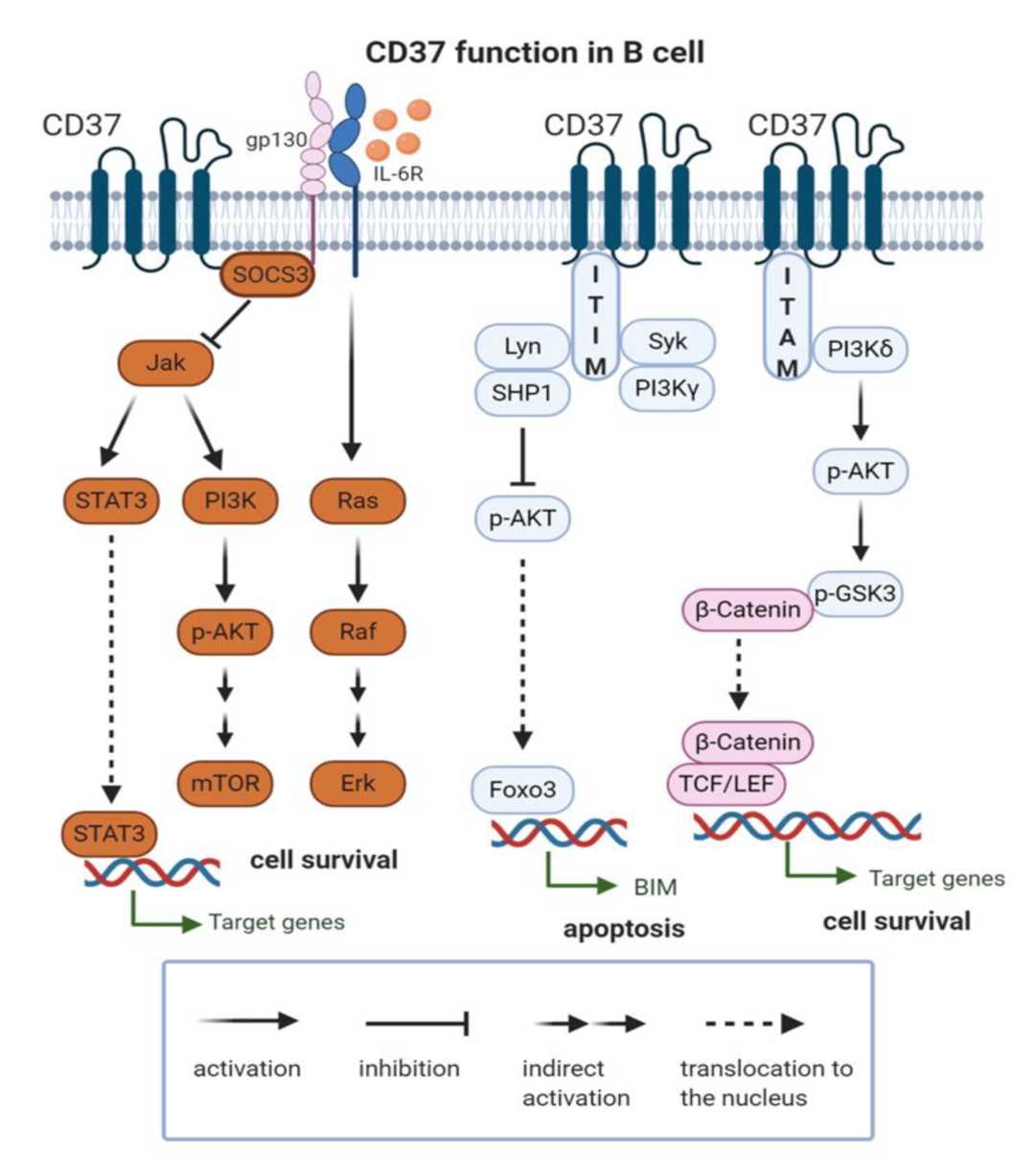 Figure 2. The Structure of Human CD372,3.
The Mechanism of Lilotomab Action
Lilotomab exerts its effects through a combination of immune activation and direct cellular disruption. These mechanisms ensure robust antitumor activity while minimizing collateral damage to non-target tissues.
Enhancing Antibody-Dependent Cellular Cytotoxicity
When lilotomab binds to CD37 on malignant B cells, it recruits immune effector cells, such as natural killer (NK) cells, through interactions with its Fc region. These immune cells then target and destroy the antibody-coated tumor cells.
Inducing Apoptosis
Beyond immune-mediated effects, lilotomab directly disrupts CD37's role in maintaining cellular stability. Binding to CD37 interferes with its signaling pathways, triggering intrinsic apoptosis in malignant cells.
Synergy with Other Therapeutics
Lilotomab's potential is amplified when combined with complementary therapies. For instance, studies combining lilotomab with CD20-targeting agents like rituximab have shown enhanced tumor reduction. This synergy arises from the complementary roles of CD20 and CD37 in B-cell signaling and survival, allowing for more comprehensive targeting of malignant cells.
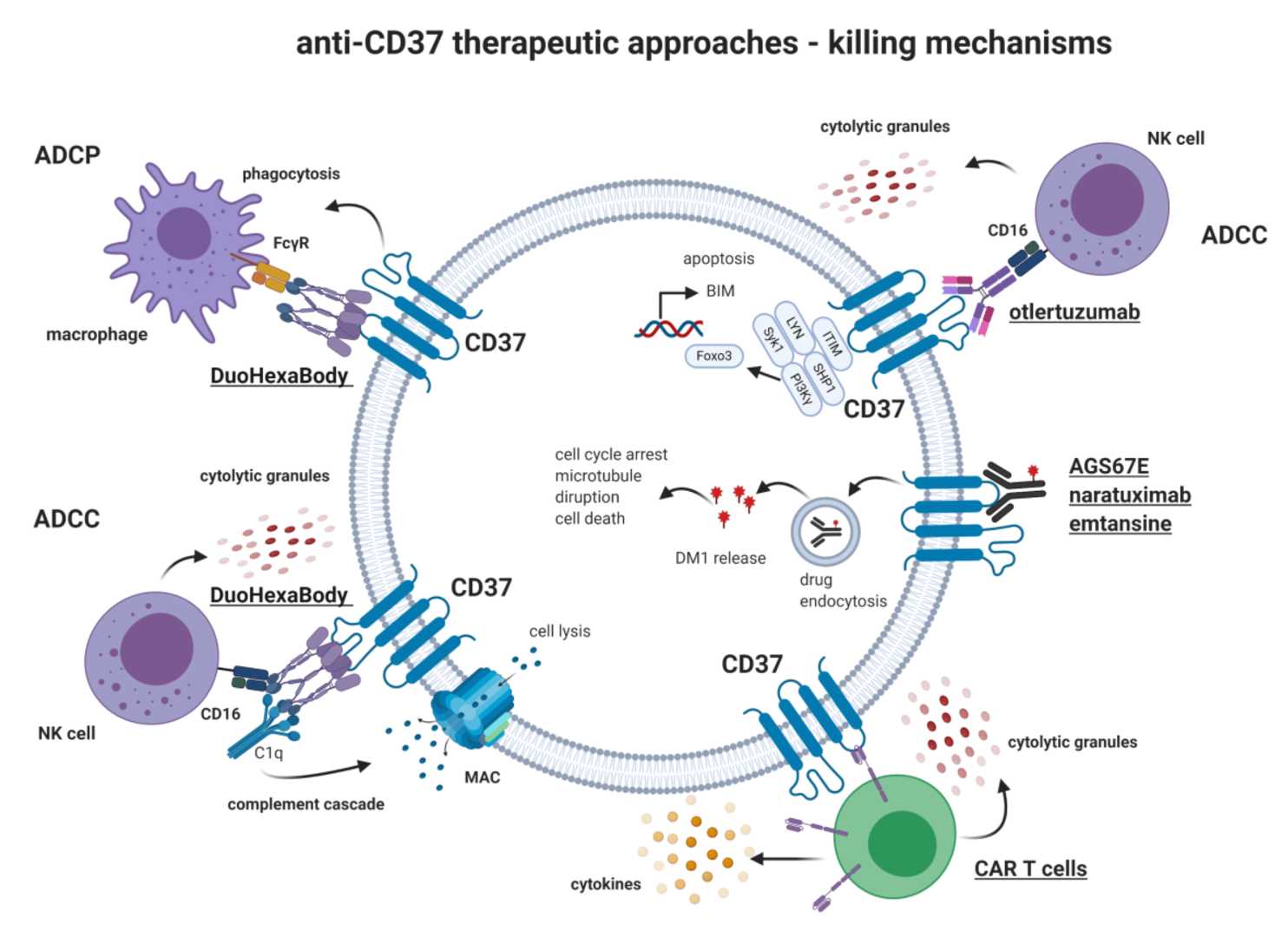 Figure 3. The Mechanism of Anti-CD37 Therapeutics' Action1.
The Applications of Lilotomab
Research Applications
Lilotomab has become an essential tool in understanding the role of CD37 in health and disease. Researchers can rely on this antibody to dissect the molecular pathways involving CD37, explore immune evasion mechanisms, and identify potential therapeutic synergies. For instance, in studies on B-cell malignancies, lilotomab is used to probe how CD37 signaling contributes to cell survival. This work has revealed critical insights into how malignant cells exploit normal signaling pathways for unchecked proliferation.
Pathways to Therapeutic Development
Although lilotomab itself is not yet used for clinical diagnosis or treatment, its success in preclinical studies has inspired the development of advanced therapeutic strategies. For example:
- Chimeric Antigen Receptor (CAR) T Cells: Researchers are designing CD37-specific CAR T cells based on the structural insights gained from lilotomab. These CAR T cells show promise in targeting refractory B-cell malignancies.
- Bispecific Antibodies: By combining lilotomab's specificity for CD37 with other targeting domains, researchers aim to create multifunctional antibodies capable of engaging multiple immune pathways simultaneously.
Clinical Projects of Lilotomab*
| NCT ID | Study Title | Study Status | Conditions | Sponsor | Start Date |
| NCT01796171 | A Phase 1/2 Study of Betalutin for Treatment of Relapsed Non-Hodgkin Lymphoma | COMPLETED | Non-Hodgkin Lymphoma|Follicular Lymphoma | Nordic Nanovector | 2012/12/1 |
| NCT02657447 | Dosimetry Study of Betalutin for Treatment of Relapsed Non-Hodgkin Lymphoma (LYMRIT-37-02) | WITHDRAWN | Non-Hodgkin Lymphoma | Nordic Nanovector | 2017/12/19 |
| NCT02658968 | Study of Betalutin for Treatment of Relapsed or Refractory Non-Hodgkin Lymphoma (LYMRIT-37-05) | COMPLETED | Relapsed, Diffuse Large B-cell Lymphoma|Refractory Diffuse Large B-Cell Lymphoma | Nordic Nanovector | 2017/3/2 |
* The table was excerpted from the following website: https://clinicaltrials.gov/search?cond=Lilotomab
What We Provide
Lilotomab
Anti-Human CD37 Recombinant Antibody (Lilotomab)
We provide high-quality lilotomab for use in ELISA, IHC, FC, IP, IF, FuncS. The product is for lab research use only, not for diagnostic, therapeutic, or any in vivo human use.
Specification
- Immunogen
- The details of the immunogen for this antibody are not available.
- Host Species
- Mouse
- Derivation
- Mouse
- Type
- IgG1, κ
- Specificity
- Human CD37
- Species Reactivity
- Human
- Applications
- ELISA, IHC, FC, IP, IF, FuncS
- Conjugate
- Unconjugated
- Trade name
- Betalutin
- CAS
- 1453362-55-4
- Generic Name
- Lilotomab
- UNII
- 58I6YNR7BV
- Related Disease
- Non-Hodgkin's lymphoma (NHL)
 View more details
References
- Bobrowicz, Malgorzata, et al. "CD37 in B cell derived tumors—more than just a docking point for monoclonal antibodies." International Journal of Molecular Sciences 21.24 (2020): 9531. Distributed under Open Access license CC BY 4.0, without modification.
- UniProt Database (https://www.uniprot.org/uniprotkb/P11049/entry)
- The image was retrieved from UniProt Database and used under [CC BY 4.0] without modification.
For research use only. Not intended for any clinical use.
Send Inquiry
This site is protected by reCAPTCHA and the Google Privacy Policy and Terms of Service apply.
